Contact Us

Use the form on the right to contact us.

You can edit the text in this area, and change where the contact form on the right submits to, by entering edit mode using the modes on the bottom right. 


123 Street Avenue, City Town, 99999

(123) 555-6789

email@address.com


You can set your address, phone number, email and site description in the settings tab.
Link to read me page with more information.

Blog

Jewish Life of the Month: Karl Marx

Rebecca Keys

Image courtesy of Wikimedia Commons

Image courtesy of Wikimedia Commons

Karl Marx

Dates
1818-1883

Background
Philosopher, historian, sociologist, economist, current affairs journalist, and editor, Marx's best-known titles are the pamphlet, The Communist Manifesto, and the three-volume Das Kapital.

Famous Quote
"History repeats itself, first as tragedy, second as farce."
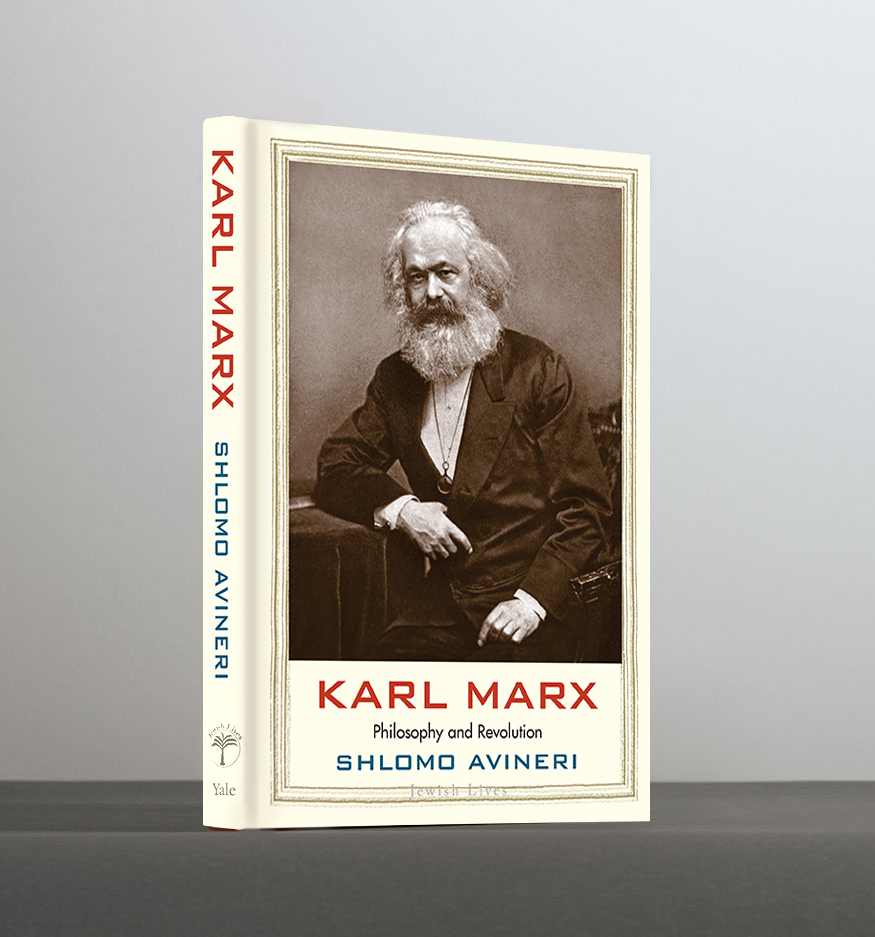
 
Karl Marx: Philosophy and Revolution
$26.00

By Shlomo Avineri
Published August 6, 2019
240 pages

“A pleasure to read” —Michael Walzer

A new exploration of Karl Marx's life through his intellectual contributions to modern thought

Karl Marx (1818–1883)—philosopher, historian, sociologist, economist, current affairs journalist, and editor—was one of the most influential and revolutionary thinkers of modern history, but he is rarely thought of as a Jewish thinker, and his Jewish background is either overlooked or misrepresented. Here, distinguished scholar Shlomo Avineri argues that Marx’s Jewish origins did leave a significant impression on his work. Marx was born in Trier, then part of Prussia, and his family had enjoyed equal rights and emancipation under earlier French control of the area. But then its annexation to Prussia deprived the Jewish population of its equal rights. These developments led to the reluctant conversion of Marx’s father, and similar tribulations radicalized many young intellectuals of that time who came from a Jewish background.

Avineri puts Marx’s Jewish background in its proper and balanced perspective, and traces Marx’s intellectual development in light of the historical, intellectual, and political contexts in which he lived.


Discover Karl Marx from A New Perspective

Rebecca Keys

Save 25% + Free Shipping!
Use code MARX at checkout. Limited time only!

 
Karl Marx: Philosophy and Revolution
$26.00

By Shlomo Avineri
Published August 6, 2019
240 pages

“A pleasure to read” —Michael Walzer

A new exploration of Karl Marx's life through his intellectual contributions to modern thought

Karl Marx (1818–1883)—philosopher, historian, sociologist, economist, current affairs journalist, and editor—was one of the most influential and revolutionary thinkers of modern history, but he is rarely thought of as a Jewish thinker, and his Jewish background is either overlooked or misrepresented. Here, distinguished scholar Shlomo Avineri argues that Marx’s Jewish origins did leave a significant impression on his work. Marx was born in Trier, then part of Prussia, and his family had enjoyed equal rights and emancipation under earlier French control of the area. But then its annexation to Prussia deprived the Jewish population of its equal rights. These developments led to the reluctant conversion of Marx’s father, and similar tribulations radicalized many young intellectuals of that time who came from a Jewish background.

Avineri puts Marx’s Jewish background in its proper and balanced perspective, and traces Marx’s intellectual development in light of the historical, intellectual, and political contexts in which he lived.


A new exploration of Karl Marx's life through his intellectual contributions to modern thought

Karl Marx (1818–1883)—philosopher, historian, sociologist, economist, current affairs journalist, and editor—was one of the most influential and revolutionary thinkers of modern history, but he is rarely thought of as a Jewish thinker, and his Jewish background is either overlooked or misrepresented. Here, distinguished scholar Shlomo Avineri argues that Marx’s Jewish origins did leave a significant impression on his work. Marx was born in Trier, then part of Prussia, and his family had enjoyed equal rights and emancipation under earlier French control of the area. But then its annexation to Prussia deprived the Jewish population of its equal rights. These developments led to the reluctant conversion of Marx’s father, and similar tribulations radicalized many young intellectuals of that time who came from a Jewish background.

Avineri puts Marx’s Jewish background in its proper and balanced perspective, and traces Marx’s intellectual development in light of the historical, intellectual, and political contexts in which he lived.


Reviews

"Besides being approachably succinct, Avineri’s sympathetic account is distinguished by its appearance in the highly regarded Jewish Lives series." —James Miller, The New York Times

"And here lies the central strength of this short biography: It tells us what Marx actually wrote." —Jonathan Rose, The Wall Street Journal

“Shlomo Avineri has written a wonderfully perceptive and nuanced biography of Karl Marx--paying all due attention (but no more than that) to Jewish interests, Marx's and ours. His book is both intellectually and politically engaging--and a pleasure to read.” —Michael Walzer, Institute for Advanced Study, Princeton, NJ


avineri2 (003).jpg

About the Author

Shlomo Avineri is professor emeritus of political science at the Hebrew University of Jerusalem and a member of the Israel Academy of Sciences and Humanities. A leading Israeli political scientist, he is the author of The Social and Political Thought of Karl Marx and The Making of Modern Zionism.

Author Photograph © Hebrew University


Red Emma, Queen of the Anarchists

Rebecca Keys

Watch Chapter 1 of the PBS American Experience film Emma Goldman, and learn more about the radical thinker and activist with Jewish Lives.

 
Emma Goldman: Revolution as a Way of Life
$26.00

By Vivian Gornick
Published October 4, 2011
160 pages

“Gripping” —The Boston Globe

Emma Goldman is the story of a modern radical who took seriously the idea that inner liberation is the first business of social revolution. Her politics, from beginning to end, was based on resistance to that which thwarted the free development of the inner self. The right to stay alive in one’s senses, to enjoy freedom of thought and speech, to reject the arbitrary use of power—these were key demands in the many public protest movements she helped mount.

Anarchist par excellence, Goldman is one of the memorable political figures of our time, not because of her gift for theory or analysis or even strategy, but because some extraordinary force of life in her burned, without rest or respite, on behalf of human integrity—and she was able to make the thousands of people who, for decades on end, flocked to her lectures, feel intimately connected to the pain inherent in the abuse of that integrity. To hear Emma describe, in language as magnetic as it was illuminating, what the boot felt like on the neck, was to experience the mythic quality of organized oppression. As the women and men in her audience listened to her, the homeliness of their own small lives became invested with a sense of drama that acted as a catalyst for the wild, vagrant hope that things need not always be as they were. All you had to do, she promised, was resist. In time, she herself would become a world-famous symbol for the spirit of resistance to the power of institutional authority over the lone individual.

In Emma Goldman, Vivian Gornick draws a surpassingly intimate and insightful portrait of a woman of heroic proportions whose performance on the stage of history did what Tolstoy said a work of art should do: it made people love life more.


Jewish Life of the Month: Franz Kafka

Rebecca Keys

Image courtesy of Wikimedia Commons

Image courtesy of Wikimedia Commons

Franz Kafka

Dates
1883-1924

Impact
Franz Kafka was the poet of his own disorder. Throughout his life he struggled with a pervasive sense of shame and guilt that left traces in his daily existence—in his many letters, in his extensive diaries, and especially in his fiction.

Famous Quote
"The meaning of life is that it stops."

 
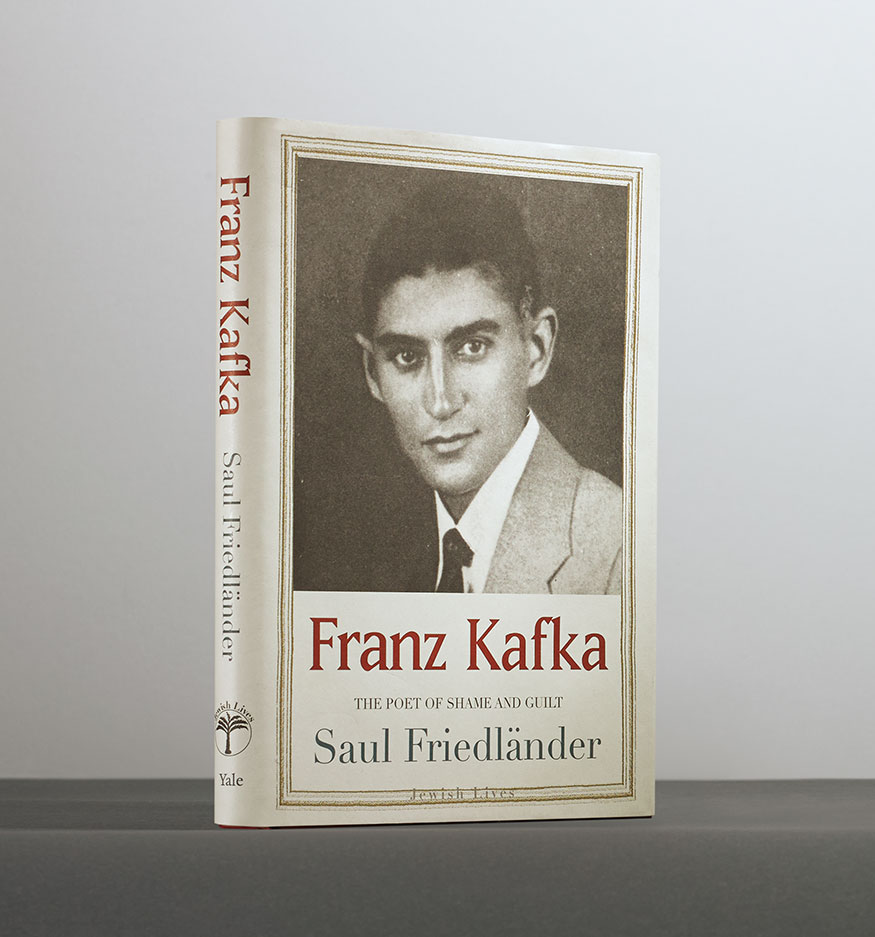
Franz Kafka: The Poet of Shame and Guilt
$26.00

By Saul Friedländer
Published April 16, 2013
200 pages

“Stimulating” —The Jewish Ledger

A highly original and engaging appraisal of Kafka’s life, work, legacy, and thought

Franz Kafka was the poet of his own disorder. Throughout his life he struggled with a pervasive sense of shame and guilt that left traces in his daily existence—in his many letters, in his extensive diaries, and especially in his fiction. This stimulating book investigates some of the sources of Kafka’s personal anguish and its complex reflections in his imaginary world.

In his query, Saul Friedländer probes major aspects of Kafka’s life (family, Judaism, love and sex, writing, illness, and despair) that until now have been skewed by posthumous censorship. Contrary to Kafka’s dying request that all his papers be burned, Max Brod, Kafka’s closest friend and literary executor, edited and published the author’s novels and other works soon after his death in 1924. Friedländer shows that, when reinserted in Kafka’s letters and diaries, deleted segments lift the mask of “sainthood” frequently attached to the writer and thus restore previously hidden aspects of his individuality.


Flashback: Meet Harvey Milk

Rebecca Keys

June is LGBT Pride Month.

Watch a 1978 NBC News report introducing viewers to the newly elected and openly gay San Francisco official Harvey Milk, and learn more with Jewish Lives.

 
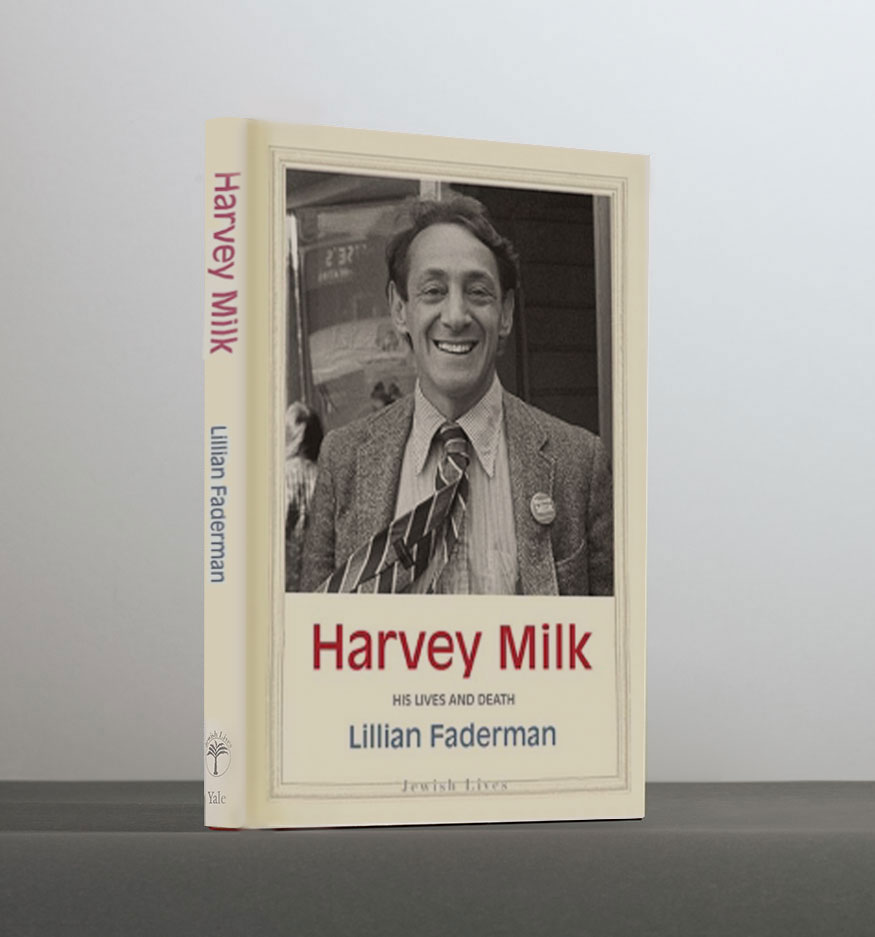
Harvey Milk: His Lives and Death
$26.00

By Lillian Faderman
Published May 22, 2018
204 pages

"Compelling" —The Washington Post

A lively and engaging biography of the first openly gay man elected to public office in the United States, a man fiercely committed to protecting all minorities

Harvey Milk—eloquent, charismatic, and a smart-aleck—was elected to the San Francisco Board of Supervisors in 1977, but he had not even served a full year in office when he was shot by a homophobic fellow supervisor. Milk’s assassination at the age of forty-eight made him the most famous gay man in modern history; twenty years later Time magazine included him on its list of the hundred most influential individuals of the twentieth century.

Before finding his calling as a politician, however, Harvey variously tried being a schoolteacher, a securities analyst on Wall Street, a supporter of Barry Goldwater, a Broadway theater assistant, a bead-wearing hippie, the operator of a camera store and organizer of the local business community in San Francisco. He rejected Judaism as a religion, but he was deeply influenced by the cultural values of his Jewish upbringing and his understanding of anti-Semitism and the Holocaust. His early influences and his many personal and professional experiences finally came together when he decided to run for elective office as the forceful champion of gays, racial minorities, women, working people, the disabled, and senior citizens. In his last five years, he focused all of his tremendous energy on becoming a successful public figure with a distinct political voice.


Jewish Life of the Month: Moses

Rebecca Keys

Image courtesy of Wikimedia Commons

Image courtesy of Wikimedia Commons

Moses

Dates
Biblical period

Impact
No figure looms larger in Jewish culture than Moses, and few have stories more enigmatic. Who was Moses? Orphan. Prince. Fugitive. Shepherd. Negotiator. Leader. But he never made it to the Promised Land.

Famous Quote
"Let my people go"

 
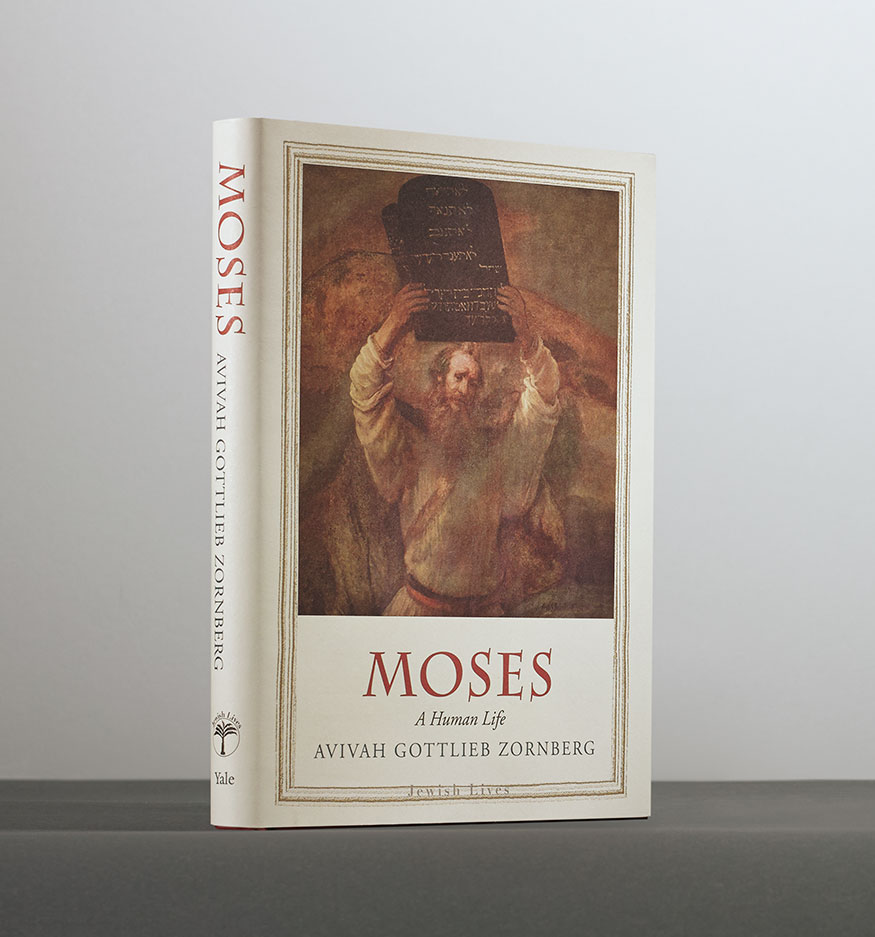
Moses: A Human Life
$26.00

By Avivah Gottlieb Zornberg
Published November 22, 2016
240 pages

“A rich, erudite study”
—Kirkus Review, Starred Review

An unprecedented portrait of Moses's inner world and perplexing character, by a distinguished biblical scholar

No figure looms larger in Jewish culture than Moses, and few have stories more enigmatic. Avivah Gottlieb Zornberg, acclaimed for her many books on Jewish thought, turns her attention to Moses in this remarkably rich, evocative book.

Drawing on a broad range of sources—literary as well as psychoanalytic, a wealth of classical Jewish texts alongside George Eliot, W. G. Sebald, and Werner Herzog—Zornberg offers a vivid and original portrait of the biblical Moses. Moses's vexing personality, his uncertain origins, and his turbulent relations with his own people are acutely explored by Zornberg, who sees this story, told and retold, as crucial not only to the biblical past but also to the future of Jewish history.


Hooray for Love

Rebecca Keys

Spring is here and love is in the air.

Watch Barbra Streisand sing a stunning duet with Judy Garland during an episode of "The Judy Garland Show," and learn more about Streisand's iconic career with Jewish Lives.

 
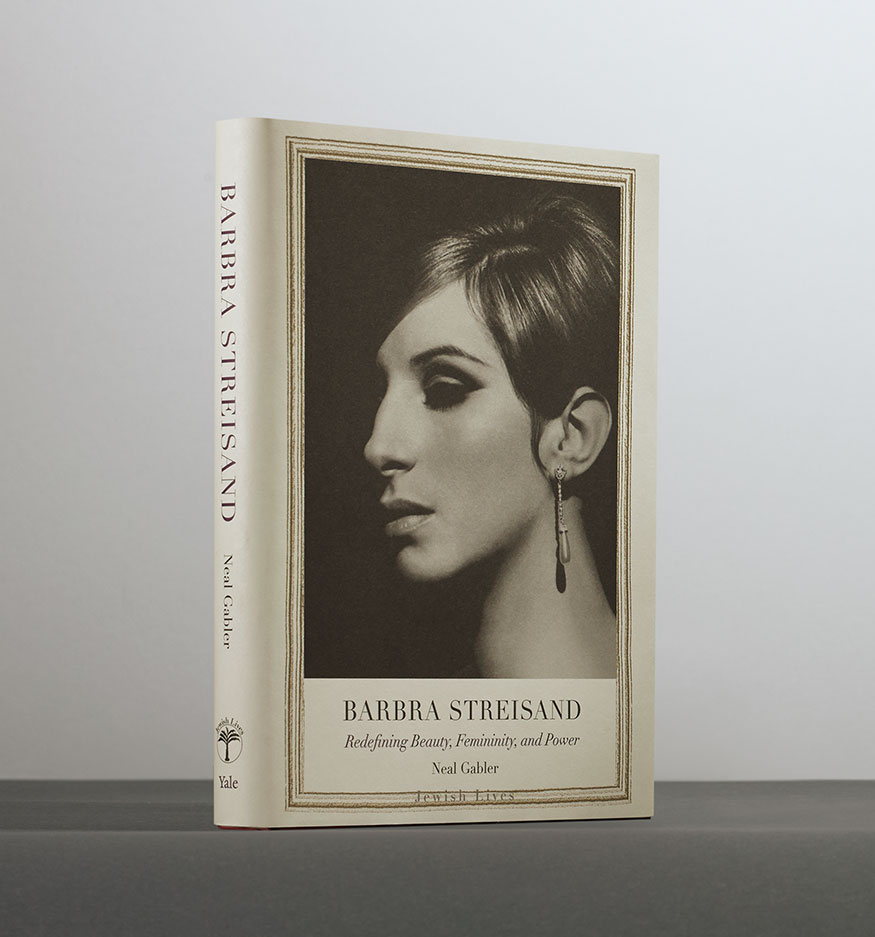
Barbra Streisand: Redefining Beauty, Femininity, and Power
$26.00

By Neal Gabler
Published April 26, 2016
296 pages

“Fascinating and insightful” —The Wall Street Journal

An enthralling appreciation of the monumentally gifted popular artist and cultural icon who challenged Hollywood’s standards of beauty and glamour

Barbra Streisand has been called the “most successful...talented performer of her generation” by Vanity Fair, and her voice, said pianist Glenn Gould, is “one of the natural wonders of the age.” Streisand scaled the heights of entertainment—from a popular vocalist to a first-rank Broadway star in Funny Girl to an Oscar-winning actress to a producer and director. But she has also become a cultural icon who has transcended show business. To achieve her success, Brooklyn-born Streisand had to overcome tremendous odds, not the least of which was her Jewishness. Dismissed, insulted, even reviled when she embarked on a show business career for acting too Jewish and looking too Jewish, she brilliantly converted her Jewishness into a metaphor for outsiderness that would eventually make her the avenger for anyone who felt marginalized and powerless.

Neal Gabler examines Streisand’s life and career through this prism of otherness—a Jew in a gentile world, a self-proclaimed homely girl in a world of glamour, a kooky girl in a world of convention—and shows how central it was to Streisand’s triumph as one of the voices of her age.


Jewish Life of the Month: Benjamin Disraeli

Rebecca Keys

Image courtesy of Wikimedia Commons

Image courtesy of Wikimedia Commons

Benjamin Disraeli

Dates
1804-1881

Impact
Served twice as Prime Minister of the United Kingdom and played a central role in the creation of the modern Conservative Party. He is widely celebrated for his role in Jewish history but is the perception of him as a Jewish hero accurate?  

Famous Quote
"There are three kinds of lies: lies, damned lies, and statistics."

 
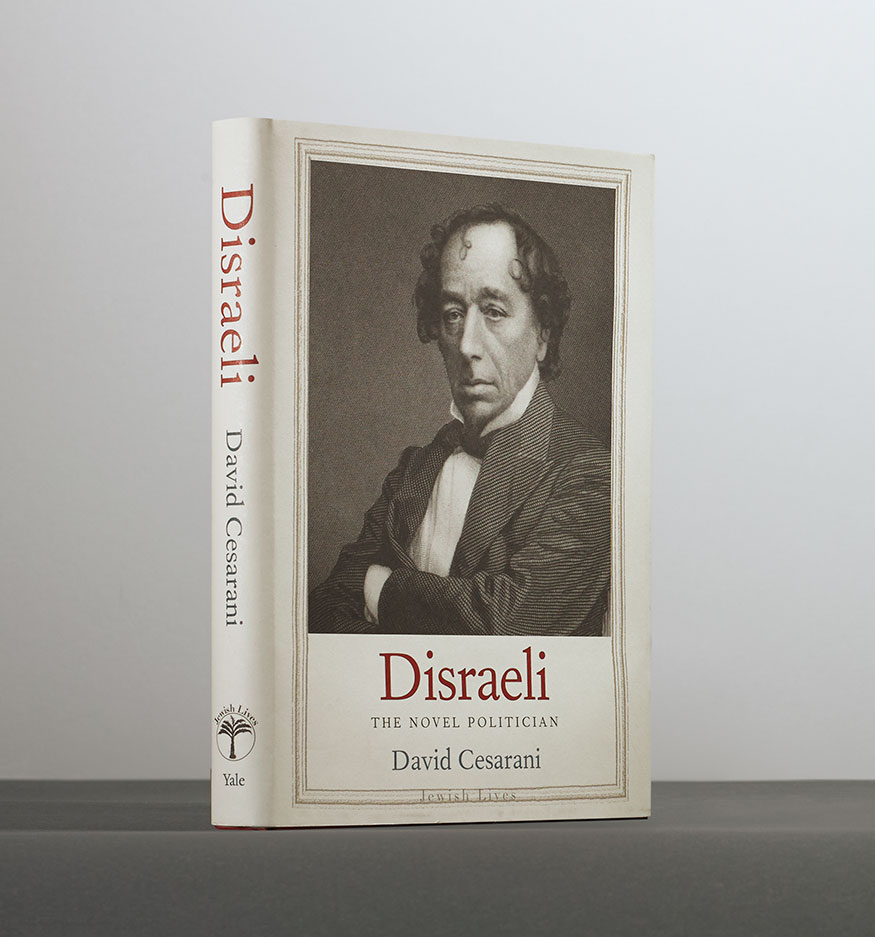
Disraeli: The Novel Politician
$26.00

By David Cesarani
Published April 26, 2016
304 pages

“Superb” —The Wall Street Journal

A fresh, vivid look at Disraeli's life, achievements, and temperament that casts doubts on his much-touted commitment to Jewish rights

Lauded as a “great Jew,” excoriated by anti-Semites, and one of Britain’s most renowned prime ministers, Benjamin Disraeli has been widely celebrated for his role in Jewish history. But is the perception of him as a Jewish hero accurate? In what ways did he contribute to Jewish causes? In this groundbreaking, lucid investigation of Disraeli’s life and accomplishments, David Cesarani draws a new portrait of one of Europe’s leading nineteenth-century statesmen, a complicated, driven, opportunistic man.

While acknowledging that Disraeli never denied his Jewish lineage, boasted of Jewish achievements, and argued for Jewish civil rights while serving as MP, Cesarani challenges the assumption that Disraeli truly cared about Jewish issues. Instead, his driving personal ambition required him to confront his Jewishness at the same time as he acted opportunistically. By creating a myth of aristocratic Jewish origins for himself, and by arguing that Jews were a superior race, Disraeli boosted his own career but also contributed to the consolidation of some of the most fundamental stereotypes of modern antisemitism.


In the News

Rebecca Keys

Image courtesy of Wikimedia Commons

Image courtesy of Wikimedia Commons

Hot off the presses!

Read two new reviews of the Jewish Lives biography Martin Buber: A Life of Faith and Dissent by Paul Mendes-Flohr:

The New York Times Book Review

The New Yorker

 
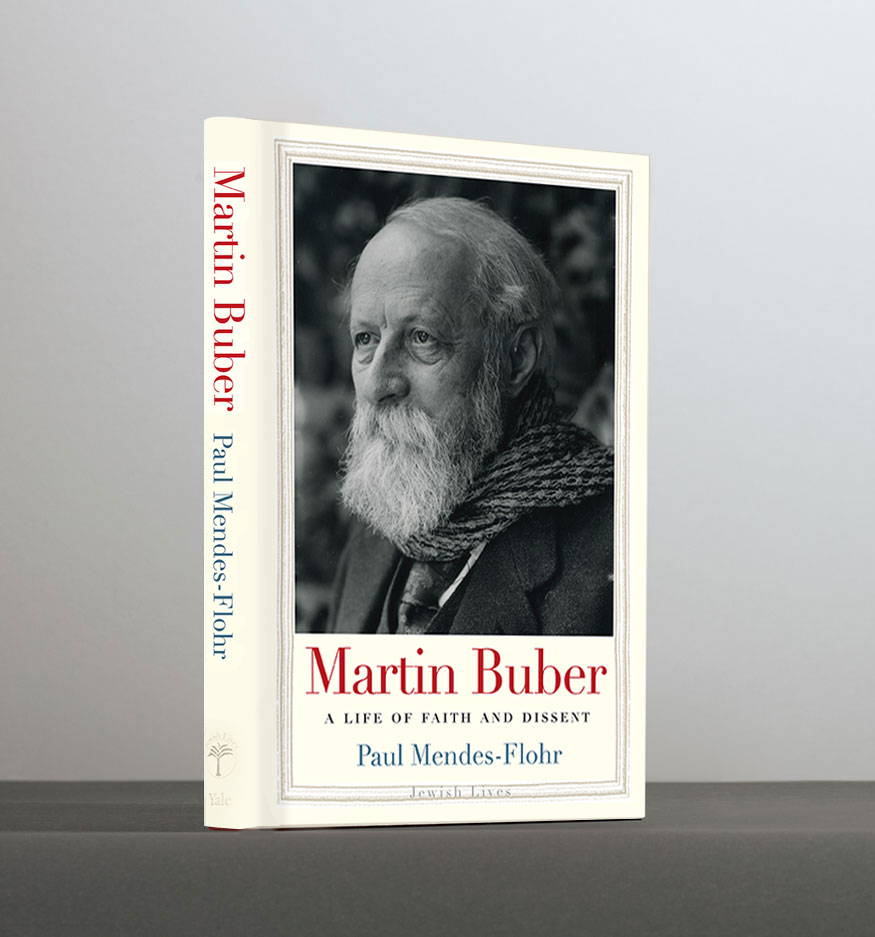
Martin Buber: A Life of Faith and Dissent
$26.00

By Paul Mendes-Flohr
Published March 26, 2019
440 pages

“Exquisite” —Amir Eshel

The first major biography in English in over thirty years of the seminal modern Jewish thinker Martin Buber

An authority on the twentieth-century philosopher Martin Buber (1878–1965), Paul Mendes-Flohr offers the first major biography in English in thirty years of this seminal modern Jewish thinker. Organized around several key moments—such as his sudden abandonment by his mother when he was a child of three—Mendes-Flohr shows how this foundational trauma left an enduring mark on Buber’s inner life, attuning him to the fragility of human relations and the need to nurture them with what he would call a “dialogical attentiveness.”

Buber’s philosophical and theological writings, most famously I and Thou, made significant contributions to religious and Jewish thought, philosophical anthropology, biblical studies, political theory, and Zionism. In this accessible new biography, Mendes-Flohr situates Buber’s life and legacy in the intellectual and cultural life of German Jewry as well as in the broader European intellectual life of the first half of the twentieth century.


3 Things You Should Know About Alfred Stieglitz

Rebecca Keys

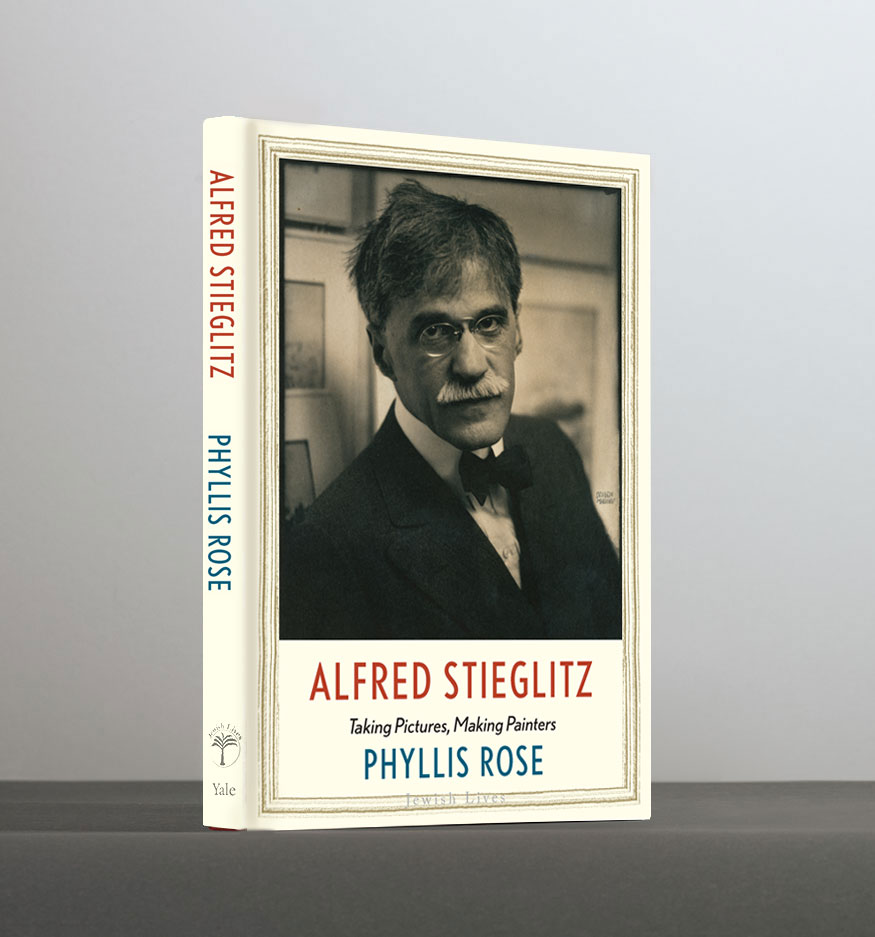
Alfred Stieglitz: Taking Pictures, Making Painters
$26.00

By Phyllis Rose
Published April 16, 2019
272 pages

“The work of a master” —Judith Thurman

A fascinating biography of a revolutionary American artist ripe for rediscovery as a photographer and champion of other artists

Alfred Stieglitz (1864–1946) was an enormously influential artist and nurturer of artists even though his accomplishments are often overshadowed by his role as Georgia O’Keeffe’s husband. This new book from celebrated biographer Phyllis Rose reconsiders Stieglitz as a revolutionary force in the history of American art.

Born in New Jersey, Stieglitz at age eighteen went to study in Germany, where his father, a wool merchant and painter, insisted he would get a proper education. After returning to America, he became one of the first American photographers to achieve international fame. By the time he was sixty, he gave up photography and devoted himself to selling and promoting art. His first gallery, 291, was the first American gallery to show works by Picasso, Rodin, Matisse, and other great European modernists. His galleries were not dealerships so much as open universities, where he introduced European modern art to Americans and nurtured an appreciation of American art among American artists.

Save 25% + Free Shipping!
Use code STIEGLITZ at checkout. Limited time only!

Explore the life of the revolutionary American photographer ripe for rediscovery as a photographer and champion of other artists

Alfred Stieglitz (1864–1946) was an enormously influential artist and nurturer of artists even though his accomplishments are often overshadowed by his role as Georgia O’Keeffe’s husband. This new book from celebrated biographer Phyllis Rose reconsiders Stieglitz as a revolutionary force in the history of American art.

Born in New Jersey, Stieglitz at age eighteen went to study in Germany, where his father, a wool merchant and painter, insisted he would get a proper education. After returning to America, he became one of the first American photographers to achieve international fame. By the time he was sixty, he gave up photography and devoted himself to selling and promoting art. His first gallery, 291, was the first American gallery to show works by Picasso, Rodin, Matisse, and other great European modernists. His galleries were not dealerships so much as open universities, where he introduced European modern art to Americans and nurtured an appreciation of American art among American artists.


Reviews

"There is no pure white or black in photography: a great photograph captures the nuances of light and shadow that underlie perception. That is exactly what Phyllis Rose's biography of Alfred Stieglitz does. And no biographer has a sharper sense of focus for the competing narratives that underlie a marriage. This double portrait of Stieglitz and O'Keeffe is the work of a master.” —Judith Thurman, author of Secrets of the Flesh: A Life of Colette and Isak Dinesen: The Life of a Storyteller
 
 “Rose is consistently generous, knowledgeable . . .” —Christine Smallwood, The New Yorker


Rose.jpg

About the Author

Phyllis Rose is a literary critic and biographer. Her books include the acclaimed biography of Virginia Woolf, Woman of Letters, and her classic Parallel Lives: Five Victorian Marriages. She divides her time between New York City and Key West, FL.

Author photograph © Sigrid Estrada

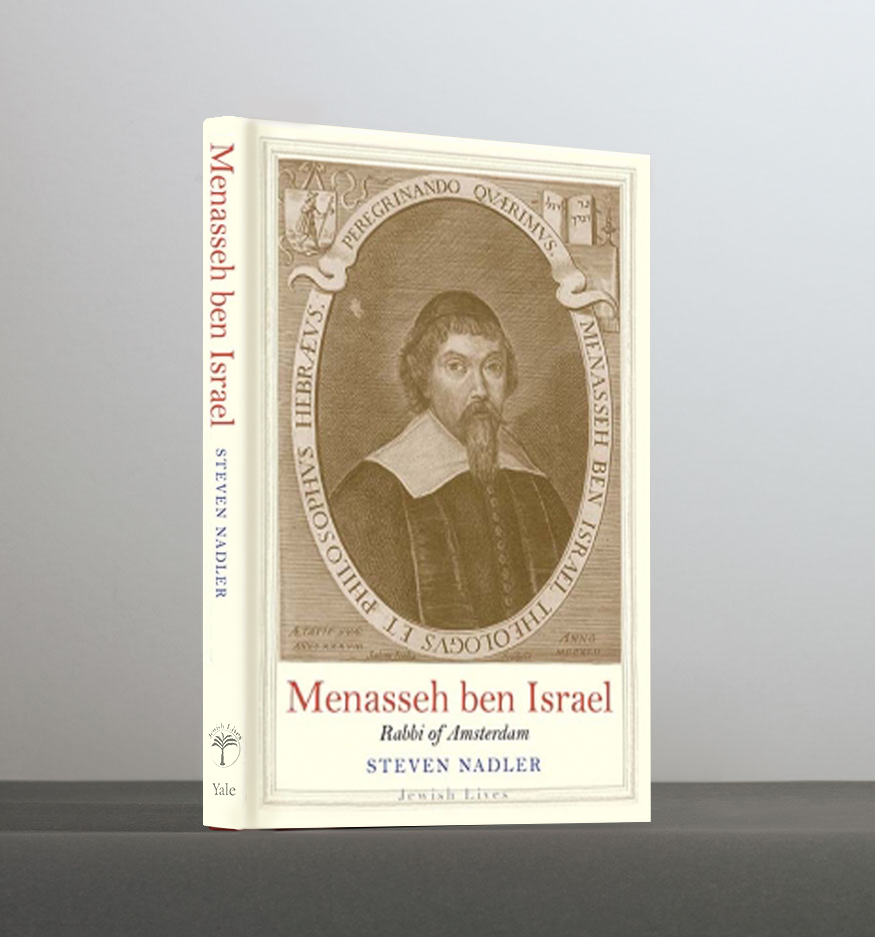
Menasseh ben Israel: Rabbi of Amsterdam

Rebecca Keys

Watch author Steven Nadler discuss the life and legacy of Menasseh ben Israel, filmed at the Park Avenue Synagogue in NYC.

This event is part of the Jewish Lives Book Club, a global reading group program where participants receive discounted books, free reading guides, and more.

 
Menasseh ben Israel: Rabbi of Amsterdam
$26.00

By Steven Nadler
Published August 21, 2018
312 pages

“Truly excellent” —Jonathan Israel

An illuminating biography of the great Amsterdam rabbi and celebrated popularizer of Judaism in the seventeenth century

Menasseh ben Israel (1604–1657) was among the most accomplished and cosmopolitan rabbis of his time, and a pivotal intellectual figure in early modern Jewish history. He was one of the three rabbis of the “Portuguese Nation” in Amsterdam, a community that quickly earned renown worldwide for its mercantile and scholarly vitality.

Born in Lisbon, Menasseh and his family were forcibly converted to Catholicism but suspected of insincerity in their new faith. To avoid the horrors of the Inquisition, they fled first to southwestern France, and then to Amsterdam, where they finally settled. Menasseh played an important role during the formative decades of one of the most vital Jewish communities of early modern Europe, and was influential through his extraordinary work as a printer and his efforts on behalf of the readmission of Jews to England. In this lively biography, Steven Nadler provides a fresh perspective on this seminal figure.


Jewish Life of the Month: Alfred Stieglitz

Rebecca Keys

Image courtesy of Wikimedia Commons

Image courtesy of Wikimedia Commons

Alfred Stieglitz

Dates
1864-1946

Impact
Although his career as an influential photographer and art promoter is often overshadowed by his role as Georgia O’Keeffe’s husband, Stieglitz was a revolutionary force in the history of American art.

Famous Quote
"Wherever there is light, one can photograph."

 
Alfred Stieglitz: Taking Pictures, Making Painters
$26.00

By Phyllis Rose
Published April 16, 2019
272 pages

“The work of a master” —Judith Thurman

A fascinating biography of a revolutionary American artist ripe for rediscovery as a photographer and champion of other artists

Alfred Stieglitz (1864–1946) was an enormously influential artist and nurturer of artists even though his accomplishments are often overshadowed by his role as Georgia O’Keeffe’s husband. This new book from celebrated biographer Phyllis Rose reconsiders Stieglitz as a revolutionary force in the history of American art.

Born in New Jersey, Stieglitz at age eighteen went to study in Germany, where his father, a wool merchant and painter, insisted he would get a proper education. After returning to America, he became one of the first American photographers to achieve international fame. By the time he was sixty, he gave up photography and devoted himself to selling and promoting art. His first gallery, 291, was the first American gallery to show works by Picasso, Rodin, Matisse, and other great European modernists. His galleries were not dealerships so much as open universities, where he introduced European modern art to Americans and nurtured an appreciation of American art among American artists.


Quote Corner

Rebecca Keys

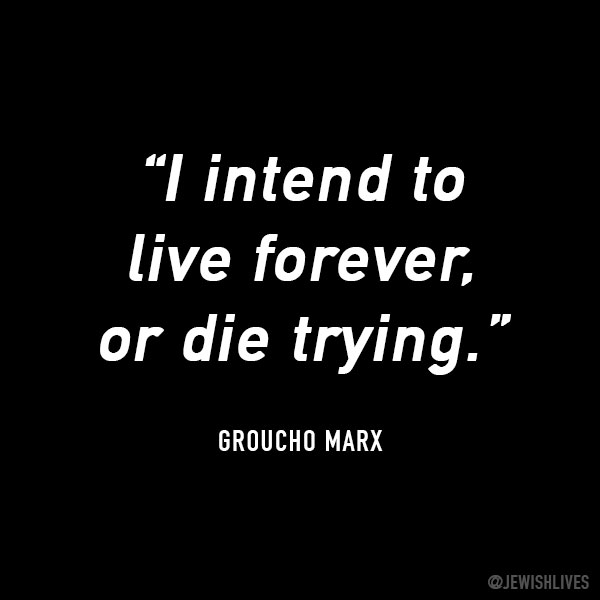
Groucho-Marx-1.jpg
Groucho Marx: The Comedy of Existence
$26.00

By Lee Siegel
Published January 12, 2016
176 pages

“Delightfully perverse” —The New York Times Book Review

A trenchant examination of an iconic American figure that explores the cultural and psychological roots of his comic genius

Born Julius Marx in 1890, the brilliant comic actor who would later be known as Groucho was the most verbal of the famed comedy team, the Marx Brothers, his broad slapstick portrayals elevated by ingenious wordplay and double entendre. In his spirited biography of this beloved American iconoclast, Lee Siegel views the life of Groucho through the lens of his work on stage, screen, and television. The author uncovers the roots of the performer’s outrageous intellectual acuity and hilarious insolence toward convention and authority in Groucho’s early upbringing and Marx family dynamics.

The first critical biography of Groucho Marx to approach his work analytically, this fascinating study draws unique connections between Groucho’s comedy and his life, concentrating primarily on the brothers’ classic films as a means of understanding and appreciating Julius the man. Unlike previous uncritical and mostly reverential biographies, Siegel’s “bio-commentary” makes a distinctive contribution to the field of Groucho studies by attempting to tell the story of his life in terms of his work, and vice versa.

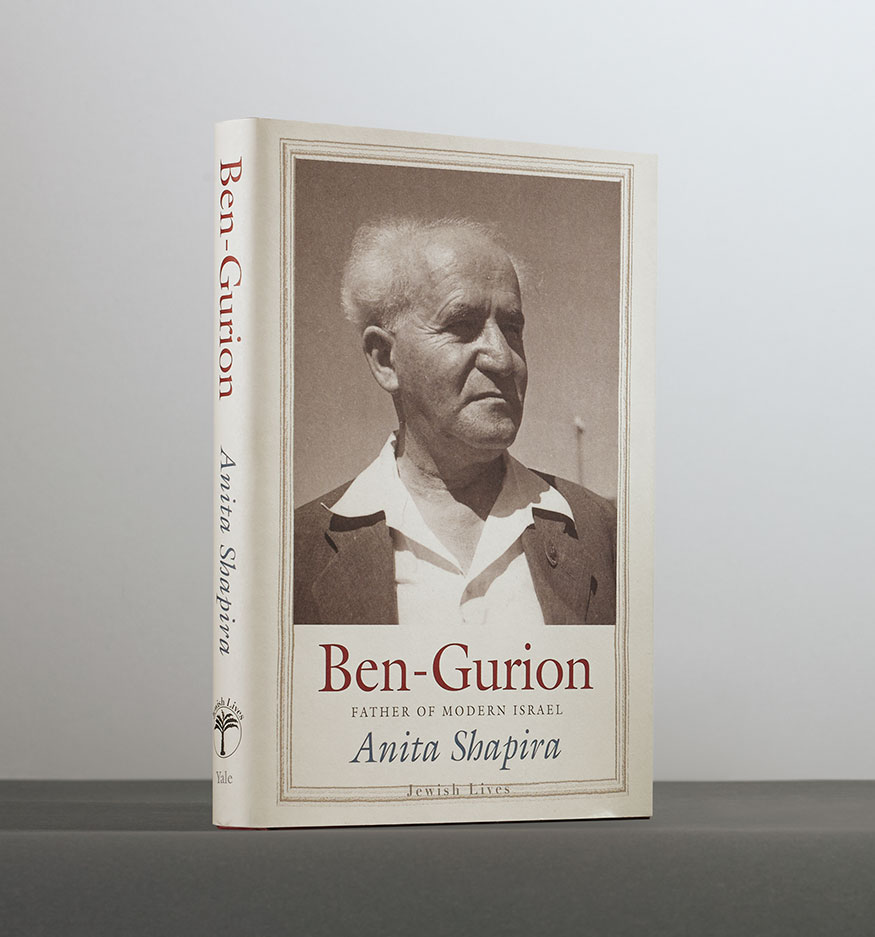
David-Ben-Gurion-1.jpg
Ben-Gurion: Father of Modern Israel
$26.00

By Anita Shapira
Published November 25, 2014
288 pages

“A beautiful portrayal” —Shimon Peres, President of Israel (2007-2014)

An insightful study of the inner life of the Zionist leader responsible for the creation of the state of Israel

David Ben-Gurion cast a great shadow during his lifetime, and his legacy continues to be sharply debated to this day. There have been many books written about the life and accomplishments of the Zionist icon and founder of modern Israel, but this new biography by eminent Israeli historian Anita Shapira strives to get to the core of the complex man who would become the face of the new Jewish nation. Shapira tells the Ben-Gurion story anew, focusing especially on the period after 1948, during the first years of statehood. As a result of her extensive research and singular access to Ben-Gurion’s personal archives, the author provides fascinating and original insights into his personal qualities and those that defined his political leadership. As Shapira writes, “Ben-Gurion liked to argue that history is made by the masses, not individuals. But just as Lenin brought the Bolshevik Revolution into the world and Churchill delivered a fighting Britain, so with Ben-Gurion and the Jewish state. He knew how to create and exploit the circumstances that made its birth possible.” Shapira’s portrait reveals the flesh-and-blood man who more than anyone else realized the Israeli state.

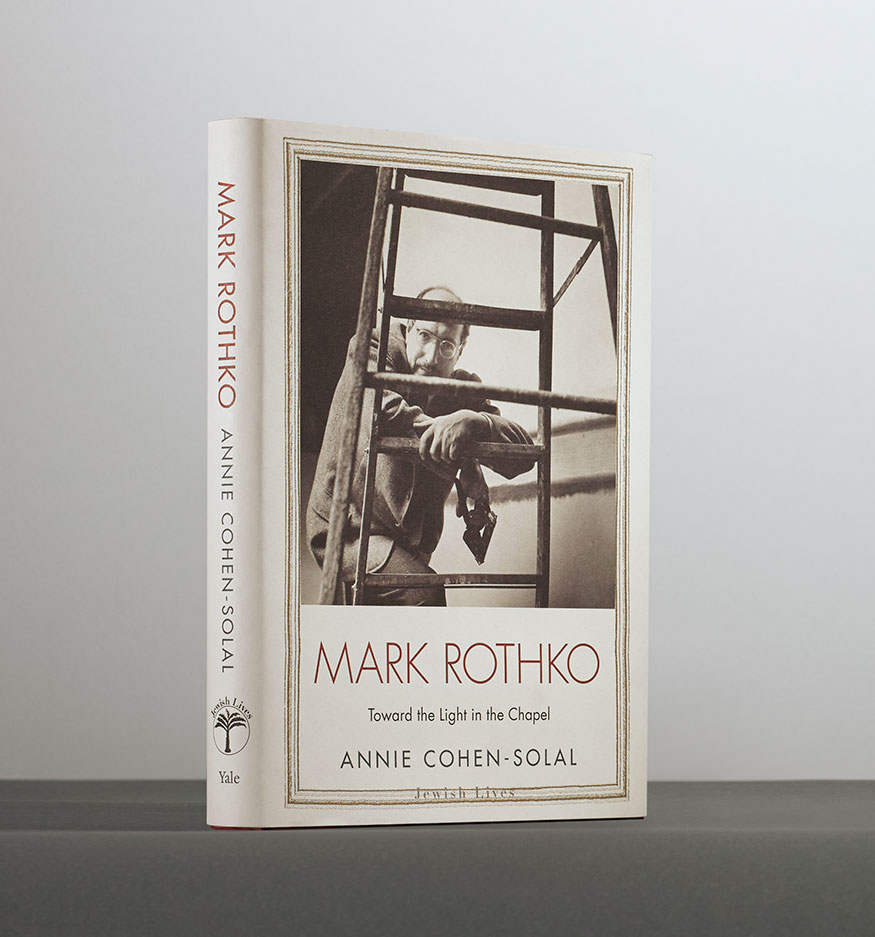
Rothko-1.jpg
Mark Rothko: Toward the Light in the Chapel
$26.00

By Annie Cohen-Solal
Published March 10, 2015
296 pages

“Illuminating. Sublime.” —The Washington Times

A fascinating exploration of the life and work of one of America’s most famous and enigmatic postwar visual artists

Mark Rothko, one of the greatest painters of the twentieth century, was born in the Jewish Pale of Settlement in 1903. He immigrated to the United States at age ten, taking with him his Talmudic education and his memories of pogroms and persecutions in Russia. His integration into American society began with a series of painful experiences, especially as a student at Yale, where he felt marginalized for his origins and ultimately left the school. The decision to become an artist led him to a new phase in his life. Early in his career, Annie Cohen-Solal writes, “he became a major player in the social struggle of American artists, and his own metamorphosis benefited from the unique transformation of the U.S. art world during this time.” Within a few decades, he had forged his definitive artistic signature, and most critics hailed him as a pioneer. The numerous museum shows that followed in major U.S. and European institutions ensured his celebrity. But this was not enough for Rothko, who continued to innovate. Ever faithful to his habit of confronting the establishment, he devoted the last decade of his life to cultivating his new conception of art as an experience, thanks to the commission of a radical project, the Rothko Chapel in Houston, Texas.

Cohen-Solal’s fascinating biography, based on considerable archival research, tells the unlikely story of how a young immigrant from Dvinsk became a crucial transforming agent of the art world—one whose legacy prevails to this day.

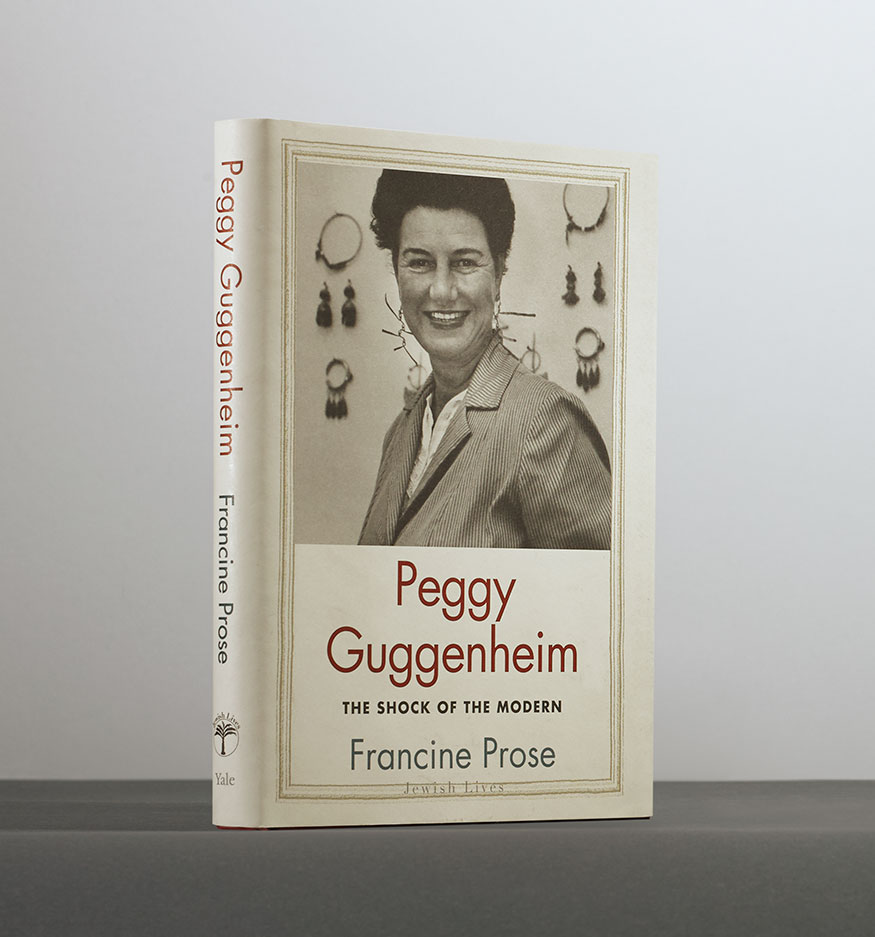
Peggy-Guggenheim-Dec.jpg
Peggy Guggenheim: The Shock of the Modern
$29.00

By Francine Prose
Published September 29, 2015
200 pages

“Lively, complex, and inclined to shock.” —Publishers Weekly

A spirited portrait of the colorful, irrepressible, and iconoclastic American collector who fearlessly advanced the cause of modern art

One of twentieth-century America’s most influential patrons of the arts, Peggy Guggenheim (1898–1979) brought to wide public attention the work of such modern masters as Jackson Pollock and Man Ray. In her time, there was no stronger advocate for the groundbreaking and the avant-garde. Her midtown gallery was the acknowledged center of the postwar New York art scene, and her museum on the Grand Canal in Venice remains one of the world’s great collections of modern art. Yet as renowned as she was for the art and artists she so tirelessly championed, Guggenheim was equally famous for her unconventional personal life, and for her ironic, playful desire to shock.

Acclaimed best-selling author Francine Prose offers a singular reading of Guggenheim’s life that will enthrall enthusiasts of twentieth-century art, as well as anyone interested in American and European culture and the interrelationships between them. The lively and insightful narrative follows Guggenheim through virtually every aspect of her extraordinary life, from her unique collecting habits and paradigm-changing discoveries, to her celebrity friendships, failed marriages, and scandalous affairs, and Prose delivers a colorful portrait of a defiantly uncompromising woman who maintained a powerful upper hand in a male-dominated world. Prose also explores the ways in which Guggenheim’s image was filtered through the lens of insidious antisemitism.

Happy Days Are Here Again

Rebecca Keys

Watch an exquisite duet with Barbra Streisand and Judy Garland from a 1963 episode of “The Judy Garland Show," and learn more about Streisand's iconic career with Jewish Lives.

 
Barbra Streisand: Redefining Beauty, Femininity, and Power
$26.00

By Neal Gabler
Published April 26, 2016
296 pages

“Fascinating and insightful” —The Wall Street Journal

An enthralling appreciation of the monumentally gifted popular artist and cultural icon who challenged Hollywood’s standards of beauty and glamour

Barbra Streisand has been called the “most successful...talented performer of her generation” by Vanity Fair, and her voice, said pianist Glenn Gould, is “one of the natural wonders of the age.” Streisand scaled the heights of entertainment—from a popular vocalist to a first-rank Broadway star in Funny Girl to an Oscar-winning actress to a producer and director. But she has also become a cultural icon who has transcended show business. To achieve her success, Brooklyn-born Streisand had to overcome tremendous odds, not the least of which was her Jewishness. Dismissed, insulted, even reviled when she embarked on a show business career for acting too Jewish and looking too Jewish, she brilliantly converted her Jewishness into a metaphor for outsiderness that would eventually make her the avenger for anyone who felt marginalized and powerless.

Neal Gabler examines Streisand’s life and career through this prism of otherness—a Jew in a gentile world, a self-proclaimed homely girl in a world of glamour, a kooky girl in a world of convention—and shows how central it was to Streisand’s triumph as one of the voices of her age.


Jewish Life of the Month: Martin Buber

Rebecca Keys

Image courtesy of Wikimedia Commons

Image courtesy of Wikimedia Commons

Martin Buber

Dates
1878-1965

Impact
Buber’s philosophical and theological writings, most famously I and Thou, made significant contributions to religious and Jewish thought, philosophical anthropology, biblical studies, political theory, and Zionism.

Famous Quote
"A person cannot approach the divine by reaching beyond the human. To become human, is what this individual person, has been created for."

 
Martin Buber: A Life of Faith and Dissent
$26.00

By Paul Mendes-Flohr
Published March 26, 2019
440 pages

“Exquisite” —Amir Eshel

The first major biography in English in over thirty years of the seminal modern Jewish thinker Martin Buber

An authority on the twentieth-century philosopher Martin Buber (1878–1965), Paul Mendes-Flohr offers the first major biography in English in thirty years of this seminal modern Jewish thinker. Organized around several key moments—such as his sudden abandonment by his mother when he was a child of three—Mendes-Flohr shows how this foundational trauma left an enduring mark on Buber’s inner life, attuning him to the fragility of human relations and the need to nurture them with what he would call a “dialogical attentiveness.”

Buber’s philosophical and theological writings, most famously I and Thou, made significant contributions to religious and Jewish thought, philosophical anthropology, biblical studies, political theory, and Zionism. In this accessible new biography, Mendes-Flohr situates Buber’s life and legacy in the intellectual and cultural life of German Jewry as well as in the broader European intellectual life of the first half of the twentieth century.


Jewish Life of the Month: Ben Hecht

Rebecca Keys

Image courtesy of Wikimedia Commons

Image courtesy of Wikimedia Commons

Ben Hecht

Dates
1894-1964

Impact
A celebrated American screenwriter best known for Scarface,Twentieth Century, and Notorious, Hecht emerged as an outspoken crusader for the imperiled Jews of Europe and later became a fierce propagandist for pre-1948 Palestine’s Jewish terrorist underground.

Famous Quote
"Love is a hole in the heart."

 
Ben Hecht: Fighting Words, Moving Pictures
$26.00

By Adina Hoffman
Published February 12, 2019
264 pages

“Electrifying” —Booklist, starred review

A vibrant portrait of one of the most accomplished and prolific American screenwriters, by an award-winning biographer and essayist

He was, according to Pauline Kael, “the greatest American screenwriter.” Jean-Luc Godard called him “a genius” who “invented 80 percent of what is used in Hollywood movies today.” Besides tossing off dozens of now-classic scripts—including Scarface,Twentieth Century, and Notorious—Ben Hecht was known in his day as ace reporter, celebrated playwright, taboo-busting novelist, and the most quick-witted of provocateurs. During World War II, he also emerged as an outspoken crusader for the imperiled Jews of Europe, and later he became a fierce propagandist for pre-1948 Palestine’s Jewish terrorist underground. Whatever the outrage he stirred, this self-declared “child of the century” came to embody much that defined America—especially Jewish America—in his time.

Hecht's fame has dimmed with the decades, but Adina Hoffman’s vivid portrait brings this charismatic and contradictory figure back to life on the page. Hecht was a renaissance man of dazzling sorts, and Hoffman—critically acclaimed biographer, former film critic, and eloquent commentator on Middle Eastern culture and politics—is uniquely suited to capture him in all his modes.


Carpool Karaoke with Barbra Streisand

Rebecca Keys

James Corden calls on Barbra Streisand for a ride to work. Hear Barbra sing classics as well as music from her new album, "Walls," and learn more about the Hollywood legend with Jewish Lives.

 
Barbra Streisand: Redefining Beauty, Femininity, and Power
$26.00

By Neal Gabler
Published April 26, 2016
296 pages

“Fascinating and insightful” —The Wall Street Journal

An enthralling appreciation of the monumentally gifted popular artist and cultural icon who challenged Hollywood’s standards of beauty and glamour

Barbra Streisand has been called the “most successful...talented performer of her generation” by Vanity Fair, and her voice, said pianist Glenn Gould, is “one of the natural wonders of the age.” Streisand scaled the heights of entertainment—from a popular vocalist to a first-rank Broadway star in Funny Girl to an Oscar-winning actress to a producer and director. But she has also become a cultural icon who has transcended show business. To achieve her success, Brooklyn-born Streisand had to overcome tremendous odds, not the least of which was her Jewishness. Dismissed, insulted, even reviled when she embarked on a show business career for acting too Jewish and looking too Jewish, she brilliantly converted her Jewishness into a metaphor for outsiderness that would eventually make her the avenger for anyone who felt marginalized and powerless.

Neal Gabler examines Streisand’s life and career through this prism of otherness—a Jew in a gentile world, a self-proclaimed homely girl in a world of glamour, a kooky girl in a world of convention—and shows how central it was to Streisand’s triumph as one of the voices of her age.


4 Questions with Judith Rosenbaum

Rebecca Keys

 
4-questions-teal (002).jpg
 
Judith Rosenbaum No header.jpg

This month, Judith Rosenbaum, PhD, executive director of the Jewish Women’s Archive, answers 4 questions about the Jewish experience.

1. In your opinion, what is the defining feature of Jewish life today?

I would say choice. Jewish life in the 21st century is voluntary, and – even for those of us for whom Jewishness is a primary identity – it is one among many commitments and affiliations.

2. What is your favorite Jewish book and why?

It’s hard to pick just one, but if forced to choose, I would have to say Grace Paley’s The Collected Stories. Her stories, which focus on women’s lives, capture how the most mundane, brief moments of everyday life (a walk with a friend, moms watching kids in the park) contain everything we need to know about people and the world. I also love the intersections of politics, family, and storytelling. No one was better than Grace Paley at making clear the political imperative, as well as the human imperative, to love people and to tell their stories. I return to these stories again and again for Paley’s deep wisdom about people, relationships, love, and justice.

3. What do you think Jewish life will look like in 100 years from now?

As a historian, I have a great deal of humility about making predictions. As in the midrash of Moses feeling lost in the beit midrash of Rabbi Akiva, I expect – and hope – that I would be surprised and perhaps confused, because Judaism should continue to evolve.

4. If you could meet any figure from Jewish history, who would it be and why?

Again, how to choose just one?? I’d love to meet the 19th century feminist Ernestine Rose and hear about how it even occurred to her to sue her rabbi father in the Polish civil court over her betrothal to a man she didn’t want to marry and the loss of her inheritance to him. I’m also fascinated by Emma Goldman and would enjoy meeting her. And I’d be interested to get Bella Abzug’s perspective on how to grapple with politics in this challenging era. Among many others.

Watch: The Comedy of Jerome Robbins' The Concert

Rebecca Keys

Enjoy the humorous choreography of Jerome Robbins performed by the Pacific Northwest Ballet Company, and learn more about the master choreographer with Jewish Lives.

 
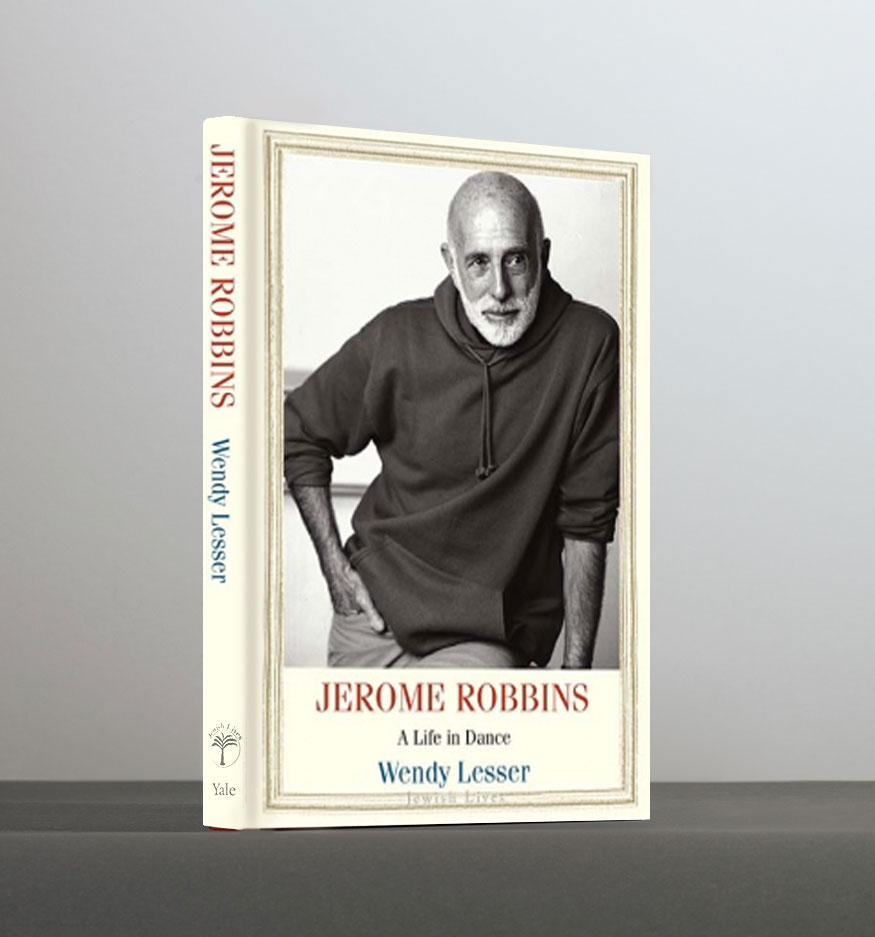
Jerome Robbins: A Life in Dance
$26.00

By Wendy Lesser
Published October, 9, 2018
216 pages

“A compact and incisive portrait” —Kirkus Reviews

A lively and inspired biography celebrating the centennial of this master choreographer, dancer, and stage director

Jerome Robbins (1918–1998) was born Jerome Wilson Rabinowitz and grew up in Weehawken, New Jersey, where his Russian-Jewish immigrant parents owned the Comfort Corset Company. Robbins, who was drawn to dance at a young age, resisted the idea of joining the family business. In 1936 he began working with Gluck Sandor, who ran a dance group and convinced him to change his name to Jerome Robbins. He went on to become a choreographer and director who worked in ballet, on Broadway, and in film. His stage productions include West Side Story, Peter Pan, and Fiddler on the Roof. In this deft biography, Wendy Lesser presents Jerome Robbins’s life through his major dances, providing a sympathetic, detailed portrait of her subject.


Jewish Life of the Month: Mark Rothko

Rebecca Keys

Image courtesy of Wikimedia Commons

Image courtesy of Wikimedia Commons

Mark Rothko: Toward the Light in the Chapel
$26.00

By Annie Cohen-Solal
Published March 10, 2015
296 pages

“Illuminating. Sublime.” —The Washington Times

A fascinating exploration of the life and work of one of America’s most famous and enigmatic postwar visual artists

Mark Rothko, one of the greatest painters of the twentieth century, was born in the Jewish Pale of Settlement in 1903. He immigrated to the United States at age ten, taking with him his Talmudic education and his memories of pogroms and persecutions in Russia. His integration into American society began with a series of painful experiences, especially as a student at Yale, where he felt marginalized for his origins and ultimately left the school. The decision to become an artist led him to a new phase in his life. Early in his career, Annie Cohen-Solal writes, “he became a major player in the social struggle of American artists, and his own metamorphosis benefited from the unique transformation of the U.S. art world during this time.” Within a few decades, he had forged his definitive artistic signature, and most critics hailed him as a pioneer. The numerous museum shows that followed in major U.S. and European institutions ensured his celebrity. But this was not enough for Rothko, who continued to innovate. Ever faithful to his habit of confronting the establishment, he devoted the last decade of his life to cultivating his new conception of art as an experience, thanks to the commission of a radical project, the Rothko Chapel in Houston, Texas.

Cohen-Solal’s fascinating biography, based on considerable archival research, tells the unlikely story of how a young immigrant from Dvinsk became a crucial transforming agent of the art world—one whose legacy prevails to this day.

Mark Rothko

Dates
1903-1970

Impact
One of the greatest painters of the twentieth century, Rothko was born in Russia and immigrated to the U.S. when he was ten. His paintings are recognizable for their rectangular fields of color and light.

Famous Quote
“You’ve got sadness in you, I’ve got sadness in me – and my works of art are places where the two sadnesses can meet, and therefore both of us need to feel less sad.”