Contact Us

Use the form on the right to contact us.

You can edit the text in this area, and change where the contact form on the right submits to, by entering edit mode using the modes on the bottom right. 


123 Street Avenue, City Town, 99999

(123) 555-6789

email@address.com


You can set your address, phone number, email and site description in the settings tab.
Link to read me page with more information.

Blog

Who is Man Ray?

Rebecca Keys

From the prizewinning Jewish Lives series, discover a biography of the elusive but celebrated Dada and Surrealist artist and photographer connecting his Jewish background to his life and art in Man Ray: The Artist and His Shadows by Arthur Lubow.

"An exceptional gem is hereby added to the Jewish Lives crown. With charm and élan—and heroic erudition—Arthur Lubow captures the elusive, protean Man Ray.” —Benjamin Taylor, author of Proust: The Search
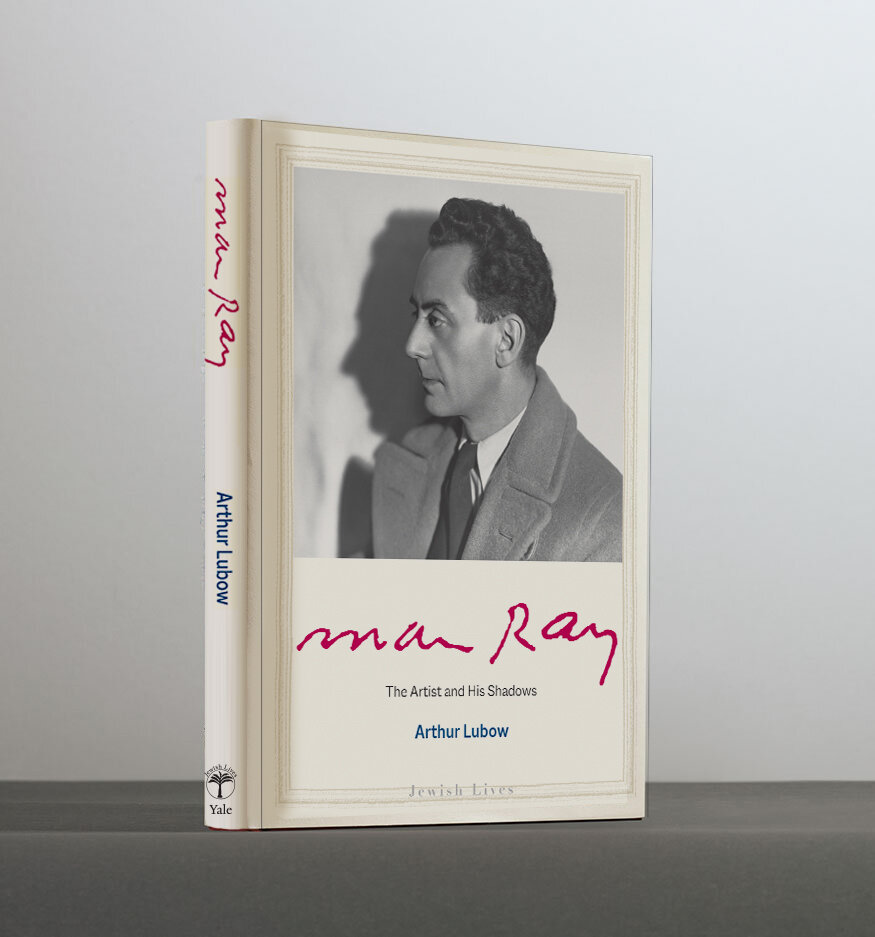
 
Man Ray: The Artist and His Shadows
$26.00

By Arthur Lubow
Published September 14, 2021
216 pages

“An exceptional gem” —Benjamin Taylor

A biography of the elusive but celebrated Dada and Surrealist artist and photographer connecting his Jewish background to his life and art

Man Ray (1890–1976), a founding father of Dada and a key player in French Surrealism, is one of the central artists of the twentieth century. He is also one of the most elusive. In this new biography, journalist and critic Arthur Lubow uses Man Ray’s Jewish background as one filter to understand his life and art.

Man Ray began life as Emmanuel Radnitsky, the eldest of four children born in Philadelphia to a mother from Minsk and a father from Kiev. When he was seven the family moved to the Williamsburg section of Brooklyn, where both parents worked as tailors. Defying his parents’ expectations that he earn a university degree, Man Ray instead pursued his vocation as an artist, embracing the modernist creed of photographer and avant-garde gallery owner Alfred Stieglitz.

When at the age of thirty Man Ray relocated to Paris, he, unlike Stieglitz, made a clean break with his past.

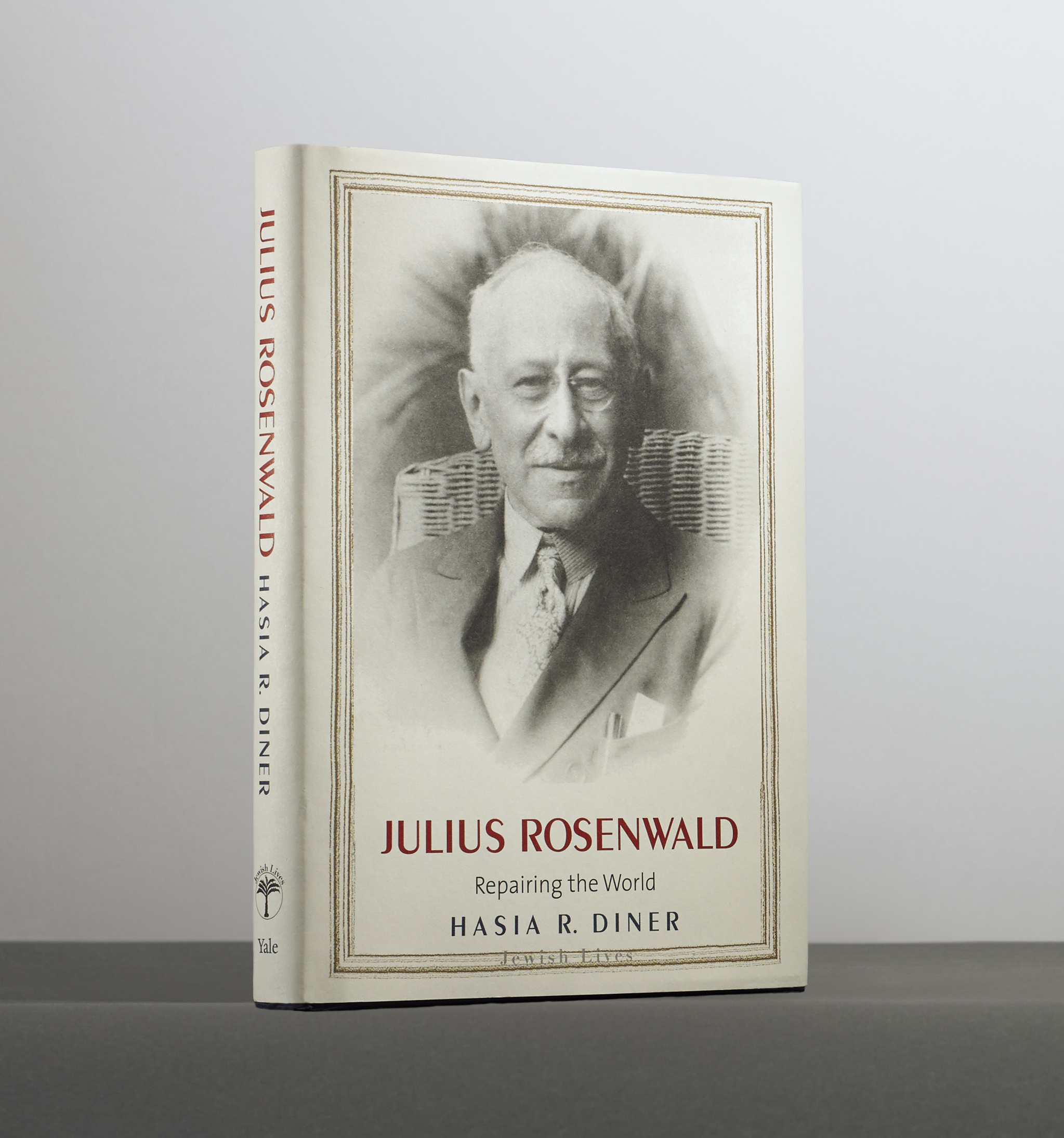
 

Video: Hasia R. Diner on the philanthropic legacy of Julius Rosenwald

Rebecca Keys

Julius Rosenwald rose to meteoric wealth at the helm of Sears, Roebuck and Co., yet his most important legacy stands on the pioneering changes he introduced to the practice of philanthropy. His passionate support of Jewish and African American causes continues to influence lives to this day, though he refused to have his name attached to the buildings, projects, or endowments he supported.

Join Professor Hasia R. Diner for a 60-minute exploration of Rosenwald’s philanthropy and the importance of partnership in building a better future.

This program took place on June 24, 2021 in partnership with Park Avenue Synagogue, United Synagogue of Conservative Judaism, and Melton School of Adult Jewish Learning.

 
Julius Rosenwald: Repairing the World
$26.00

By Hasia R. Diner
Published October 24, 2017
256 pages

“A masterpiece” —David Levering Lewis

The portrait of a humble retail magnate whose visionary ideas about charitable giving transformed the practice of philanthropy in America and beyond

Julius Rosenwald (1862–1932) rose from modest means as the son of a peddler to meteoric wealth at the helm of Sears, Roebuck. Yet his most important legacy stands not upon his business acumen but on the pioneering changes he introduced to the practice of philanthropy. While few now recall Rosenwald’s name—he refused to have it attached to the buildings, projects, or endowments he supported—his passionate support of Jewish and African American causes continues to influence lives to this day.

This biography of Julius Rosenwald explores his attitudes toward his own wealth and his distinct ideas about philanthropy, positing an intimate connection between his Jewish consciousness and his involvement with African Americans. The book shines light on his belief in the importance of giving in the present to make an impact on the future, and on his encouragement of beneficiaries to become partners in community institutions and projects. Rosenwald emerges from the pages as a compassionate man whose generosity and wisdom transformed the practice of philanthropy itself.


Video: Adina Hoffman on the Fighting Words of Ben Hecht

Rebecca Keys

Ace reporter, celebrated playwright, taboo-busting novelist, and “the greatest of American screenwriters,” Ben Hecht wrote the Hollywood we know today. Join acclaimed author Adina Hoffman for a 60-minute exploration of Hecht’s life and work, his most notable screenplays, as well as his role as an outspoken crusader for Jewish communities around the world.

This program took place on May 20, 2021 in partnership with Park Avenue Synagogue and the United Synagogue of Conservative Judaism.

 
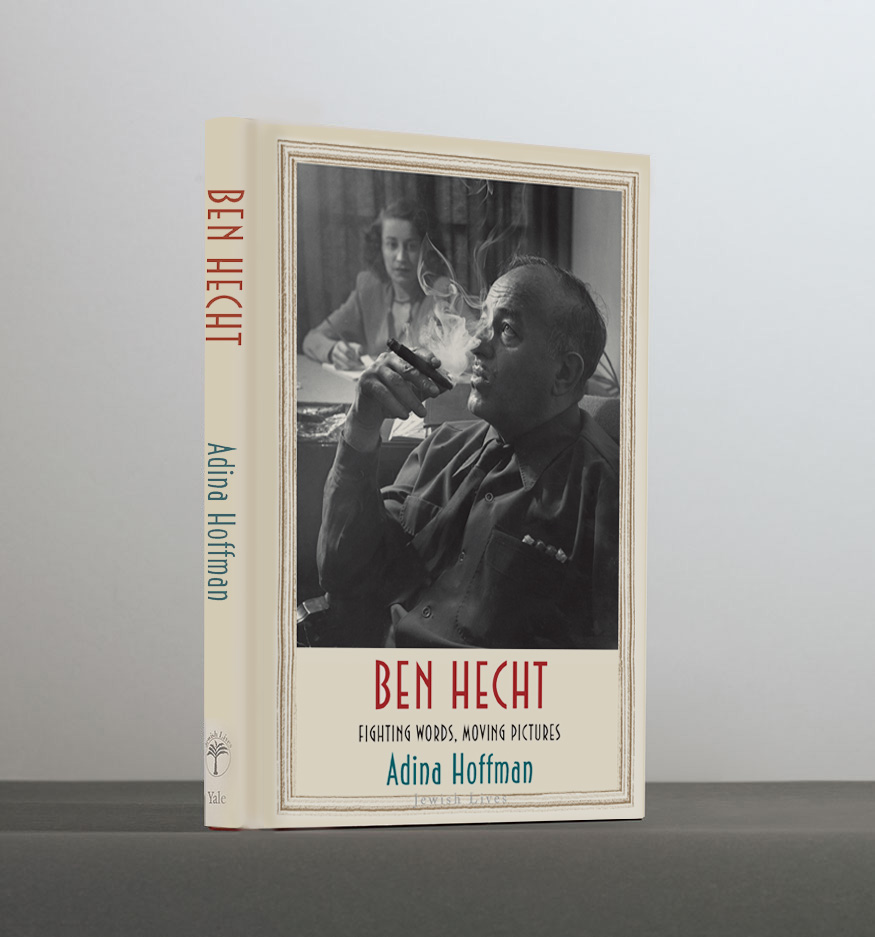
Ben Hecht: Fighting Words, Moving Pictures
$26.00

By Adina Hoffman
Published February 12, 2019
264 pages

“Electrifying” —Booklist, starred review

A vibrant portrait of one of the most accomplished and prolific American screenwriters, by an award-winning biographer and essayist

He was, according to Pauline Kael, “the greatest American screenwriter.” Jean-Luc Godard called him “a genius” who “invented 80 percent of what is used in Hollywood movies today.” Besides tossing off dozens of now-classic scripts—including Scarface,Twentieth Century, and Notorious—Ben Hecht was known in his day as ace reporter, celebrated playwright, taboo-busting novelist, and the most quick-witted of provocateurs. During World War II, he also emerged as an outspoken crusader for the imperiled Jews of Europe, and later he became a fierce propagandist for pre-1948 Palestine’s Jewish terrorist underground. Whatever the outrage he stirred, this self-declared “child of the century” came to embody much that defined America—especially Jewish America—in his time.

Hecht's fame has dimmed with the decades, but Adina Hoffman’s vivid portrait brings this charismatic and contradictory figure back to life on the page. Hecht was a renaissance man of dazzling sorts, and Hoffman—critically acclaimed biographer, former film critic, and eloquent commentator on Middle Eastern culture and politics—is uniquely suited to capture him in all his modes.


Bugsy Siegel: The Dark Side of the American Dream by Michael Shnayerson

Rebecca Keys

The story of the notorious Jewish gangster who ascended from impoverished beginnings to the glittering Las Vegas strip

In a brief life that led to a violent end, Benjamin “Bugsy” Siegel (1906–1947) rose from desperate poverty to ill-gotten riches, from an early-twentieth-century family of Ukrainian Jewish immigrants on the Lower East Side to a kingdom of his own making in Las Vegas. In this captivating portrait, author Michael Shnayerson sets out not to absolve Bugsy Siegel but rather to understand him in all his complexity.

Through the 1920s, 1930s, and most of the 1940s, Bugsy Siegel and his longtime partner in crime Meyer Lansky engaged in innumerable acts of violence. As World War II came to an end, Siegel saw the potential for a huge, elegant casino resort in the sands of Las Vegas. Jewish gangsters built nearly all of the Vegas casinos that followed. Then, one by one, they disappeared. Siegel’s story laces through a larger, generational story of eastern European Jewish immigrants in the early- to mid-twentieth century.

 
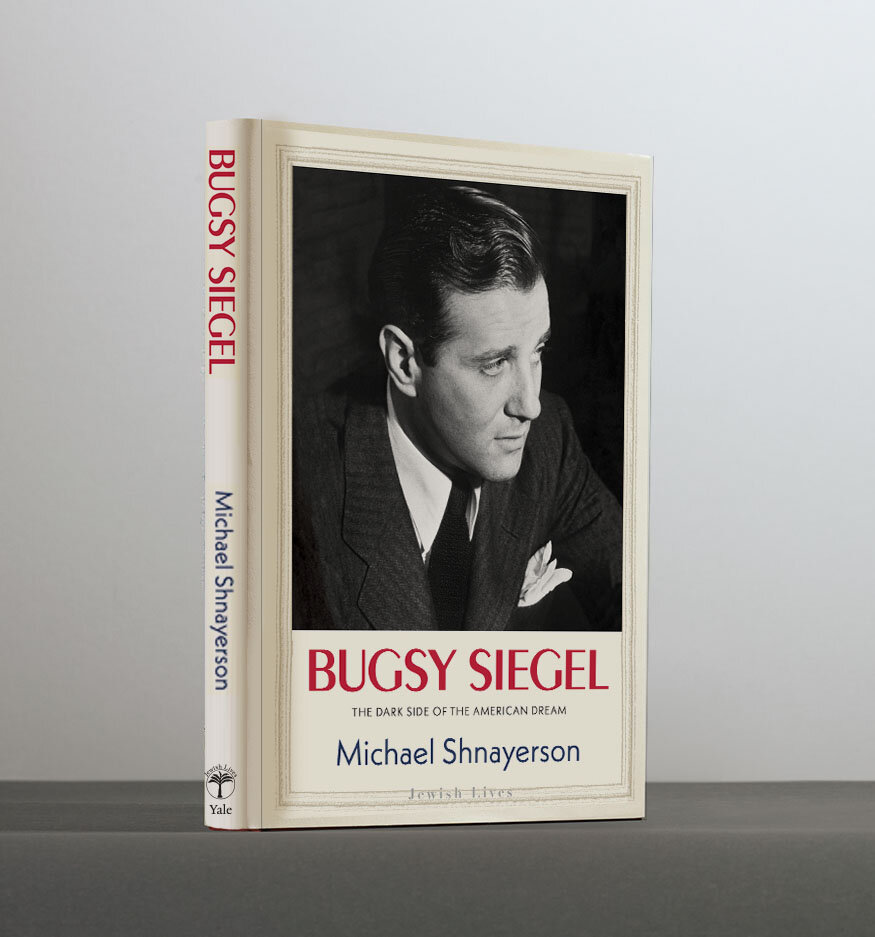
Bugsy Siegel: The Dark Side of the American Dream
$26.00

By Michael Shnayerson
Published February 9, 2021
248 pages

“Amazing” —Nicholas Pileggi

The story of the notorious Jewish gangster who ascended from impoverished beginnings to the glittering Las Vegas strip

In a brief life that led to a violent end, Benjamin “Bugsy” Siegel (1906–1947) rose from desperate poverty to ill-gotten riches, from an early-twentieth-century family of Ukrainian Jewish immigrants on the Lower East Side to a kingdom of his own making in Las Vegas. In this captivating portrait, author Michael Shnayerson sets out not to absolve Bugsy Siegel but rather to understand him in all his complexity.

Through the 1920s, 1930s, and most of the 1940s, Bugsy Siegel and his longtime partner in crime Meyer Lansky engaged in innumerable acts of violence. As World War II came to an end, Siegel saw the potential for a huge, elegant casino resort in the sands of Las Vegas. Jewish gangsters built nearly all of the Vegas casinos that followed. Then, one by one, they disappeared. Siegel’s story laces through a larger, generational story of eastern European Jewish immigrants in the early- to mid-twentieth century.

 
JL_Social_January15.jpg

Video: Liel Leibovitz on Comics Legend Stan Lee

Rebecca Keys

The creative mind of Stan Lee provided American pop culture with comic book heroes and imaginative worlds that will forever be his legacy. Watch a lively discussion about the life and legacy of Stan Lee with author Liel Leibovitz and Rabbi Neil Zuckerman of Park Avenue Synagogue from March 11, 2021 as part of the Reading Jewish Lives book club program.

 
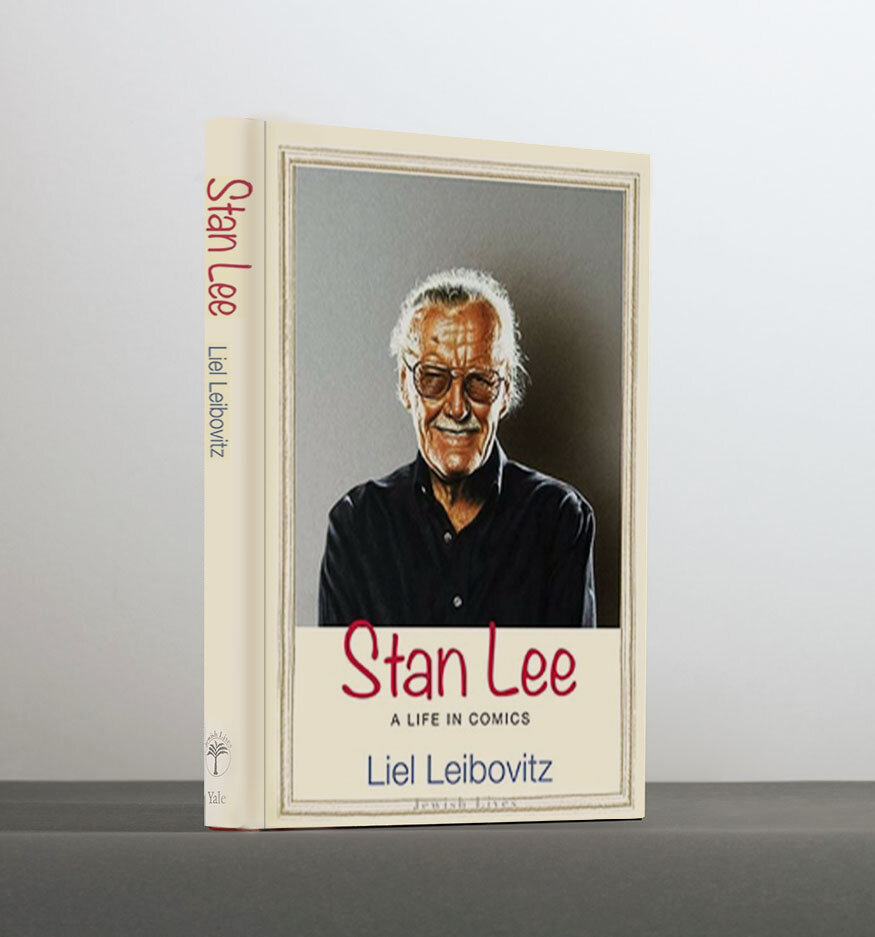
Stan Lee: A Life in Comics
$26.00

By Liel Leibovitz
Published April 21, 2020
192 pages

“Thoroughly entertaining” —Jeremy Dauber

A meditation on the deeply Jewish and surprisingly spiritual roots of Stan Lee and Marvel Comics

Few artists have had as much of an impact on American popular culture as Stan Lee. The characters he created—Spider-Man and Iron Man, the X-Men and the Fantastic Four—occupy Hollywood’s imagination and production schedules, generate billions at the box office, and come as close as anything we have to a shared American mythology.

This illuminating biography focuses as much on Lee’s ideas as it does on his unlikely rise to stardom. It surveys his cultural and religious upbringing and draws surprising connections between celebrated comic book heroes and the ancient tales of the Bible, the Talmud, and Jewish mysticism. Was Spider-Man just a reincarnation of Cain? Is the Incredible Hulk simply Adam by another name? From close readings of Lee’s work to little-known anecdotes from Marvel’s history, the book paints a portrait of Lee that goes much deeper than one of his signature onscreen cameos.


Houdini: The Elusive American

Rebecca Keys

Jewish Lives author Adam Begley discusses his book, Houdini: The Elusive American, with nonfiction author and professor Dr. Brenda Wineapple at the 2020 Detroit Jewish Book Fair.

 
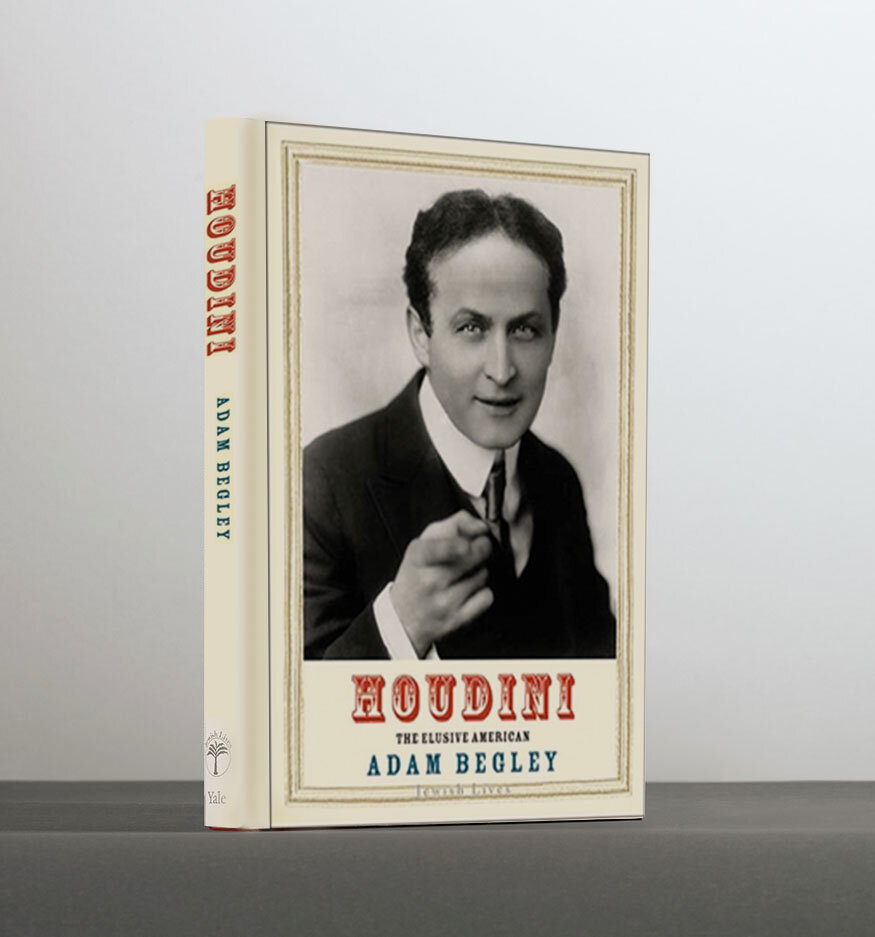
Houdini: The Elusive American
$26.00

By Adam Begley
Published March 17, 2020
232 pages

“Vivid” —The New Yorker

An exuberant biography of the world’s greatest escape artist 

In 1916, the war in Europe having prevented a tour abroad, Harry Houdini wrote a film treatment for a rollicking motion picture. Though the movie was never made, its title, “The Marvelous Adventures of Houdini: The Justly Celebrated Elusive American,” provides a succinct summary of the Master Mystifier’s life.

Born Erik Weisz in Budapest in 1874, Houdini grew up an impoverished Jewish immigrant in the Midwest and became world-famous thanks to talent, industry, and ferocious determination. He concealed as a matter of temperament and professional ethics the secrets of his sensational success. Nobody knows how Houdini performed some of his dazzling, death-defying tricks, and nobody knows, finally, why he felt compelled to punish and imprison himself over and over again. Must a self-liberator also be a self-torturer? Tracking the restless Houdini’s wide-ranging exploits, acclaimed biographer Adam Begley asks the essential question: What kind of man was this?


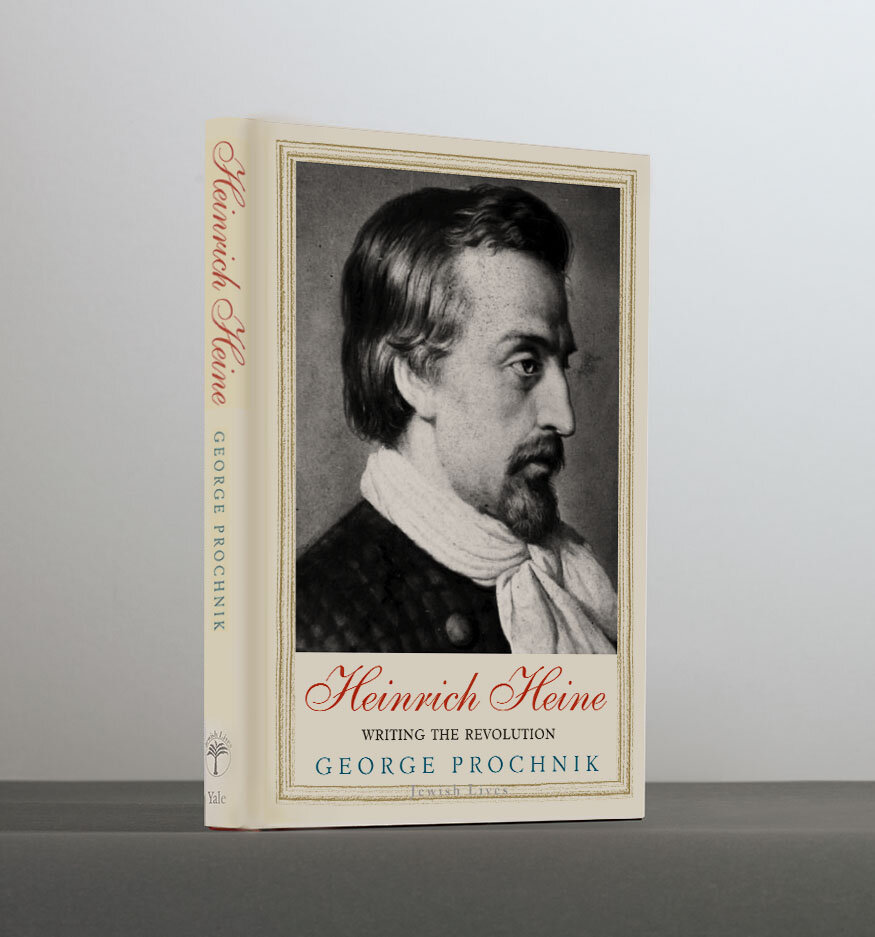
NEW! Heinrich Heine: Writing the Revolution by George Prochnik

Rebecca Keys

Heinrich Heine (1797–1856) was a virtuoso German poet, satirist, and visionary humanist whose dynamic life story and strikingly original writing are ripe for rediscovery.

In this vividly imagined exploration of Heine’s life and work, George Prochnik contextualizes Heine’s biography within the different revolutionary political, literary, and philosophical movements of his age. He also explores the insights Heine offers contemporary readers into issues of social justice, exile, and the role of art in nurturing a more equitable society.

Heine wrote that in his youth he resembled “a large newspaper of which the upper half contained the present, each day with its news and debates, while in the lower half, in a succession of dreams, the poetic past was recorded fantastically like a series of feuilletons.”

This book explores the many dualities of Heine’s nature, bringing to life a fully dimensional character while also casting into sharp relief the reasons his writing and personal story matter urgently today.

 
Heinrich Heine: Writing the Revolution
$26.00

By George Prochnik
Published November 24, 2020
336 pages

“Splendid” —David Biale

A thematically rich, provocative, and lyrical study of one of Germany’s most important, world-famous, and imaginative writers

Heinrich Heine (1797–1856) was a virtuoso German poet, satirist, and visionary humanist whose dynamic life story and strikingly original writing are ripe for rediscovery.

In this vividly imagined exploration of Heine’s life and work, George Prochnik contextualizes Heine’s biography within the different revolutionary political, literary, and philosophical movements of his age. He also explores the insights Heine offers contemporary readers into issues of social justice, exile, and the role of art in nurturing a more equitable society.

Heine wrote that in his youth he resembled “a large newspaper of which the upper half contained the present, each day with its news and debates, while in the lower half, in a succession of dreams, the poetic past was recorded fantastically like a series of feuilletons.”

This book explores the many dualities of Heine’s nature, bringing to life a fully dimensional character while also casting into sharp relief the reasons his writing and personal story matter urgently today.

 
JL_Social_November20.jpg

Vivian Gornick on the Radical Life of Emma Goldman

Rebecca Keys

Hear acclaimed Jewish Lives author author Vivian Gornick in dialogue with Rabbi Witkovsky of Park Avenue Synagogue on the life of modern radical Emma Goldman. Emma Goldman mounted public protest movements that demanded freedom of thought and speech and rejected arbitrary use of power.

Learn more in Gornick’s biography Emma Goldman: Revolution as a Way of Life.

Emma Goldman: Revolution as a Way of Life
$26.00

By Vivian Gornick
Published October 4, 2011
160 pages

“Gripping” —The Boston Globe

Emma Goldman is the story of a modern radical who took seriously the idea that inner liberation is the first business of social revolution. Her politics, from beginning to end, was based on resistance to that which thwarted the free development of the inner self. The right to stay alive in one’s senses, to enjoy freedom of thought and speech, to reject the arbitrary use of power—these were key demands in the many public protest movements she helped mount.

Anarchist par excellence, Goldman is one of the memorable political figures of our time, not because of her gift for theory or analysis or even strategy, but because some extraordinary force of life in her burned, without rest or respite, on behalf of human integrity—and she was able to make the thousands of people who, for decades on end, flocked to her lectures, feel intimately connected to the pain inherent in the abuse of that integrity. To hear Emma describe, in language as magnetic as it was illuminating, what the boot felt like on the neck, was to experience the mythic quality of organized oppression. As the women and men in her audience listened to her, the homeliness of their own small lives became invested with a sense of drama that acted as a catalyst for the wild, vagrant hope that things need not always be as they were. All you had to do, she promised, was resist. In time, she herself would become a world-famous symbol for the spirit of resistance to the power of institutional authority over the lone individual.

In Emma Goldman, Vivian Gornick draws a surpassingly intimate and insightful portrait of a woman of heroic proportions whose performance on the stage of history did what Tolstoy said a work of art should do: it made people love life more.

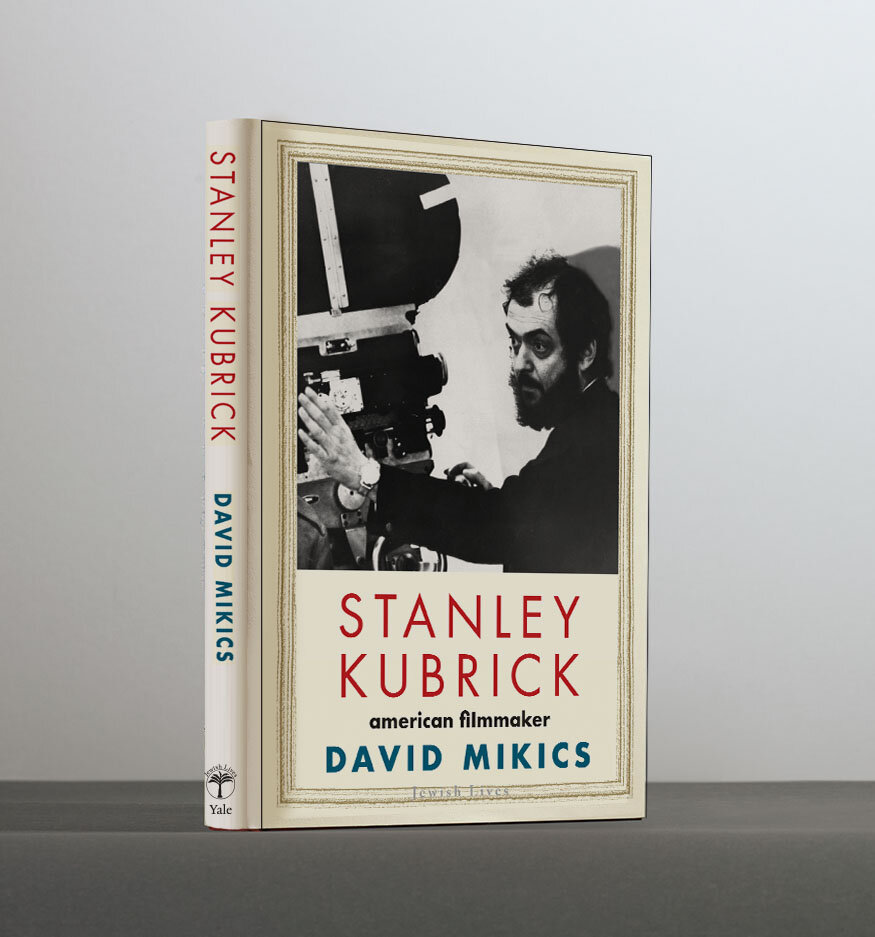
Stanley Kubrick: American Filmmaker

Rebecca Keys

Discover an engrossing biography of one of the most influential filmmakers in cinematic history

Kubrick grew up in the Bronx, a doctor’s son. From a young age he was consumed by photography, chess, and, above all else, movies. He was a self-taught filmmaker and self-proclaimed outsider, and his films exist in a unique world of their own outside the Hollywood mainstream. Kubrick’s Jewishness played a crucial role in his idea of himself as an outsider. Obsessed with rebellion against authority, war, and male violence, Kubrick was himself a calm, coolly masterful creator and a talkative, ever-curious polymath immersed in friends and family.

Drawing on interviews and new archival material, Mikics for the first time explores the personal side of Kubrick’s films.

 
Stanley Kubrick: American Filmmaker
$29.00

By David Mikics
Published August 18, 2020
248 pages

“A joy to read” —Molly Haskell

An engrossing biography of one of the most influential filmmakers in cinematic history

Kubrick grew up in the Bronx, a doctor’s son. From a young age he was consumed by photography, chess, and, above all else, movies. He was a self-taught filmmaker and self-proclaimed outsider, and his films exist in a unique world of their own outside the Hollywood mainstream. Kubrick’s Jewishness played a crucial role in his idea of himself as an outsider. Obsessed with rebellion against authority, war, and male violence, Kubrick was himself a calm, coolly masterful creator and a talkative, ever-curious polymath immersed in friends and family.

Drawing on interviews and new archival material, Mikics for the first time explores the personal side of Kubrick’s films.

 
JL_Social_August18.jpg

Take a Jewish Lives Summer Course

Rebecca Keys

Case Western Reserve Logo.jpg

Register now for Jewish Lives summer courses at Case Western Reserve University’s Siegal Lifelong Learning program. Courses are available on Irving Berlin, Solomon, and David. See below for the course schedule and contact lifelonglearning@case.edu for additional information. We hope you enjoy the classes.


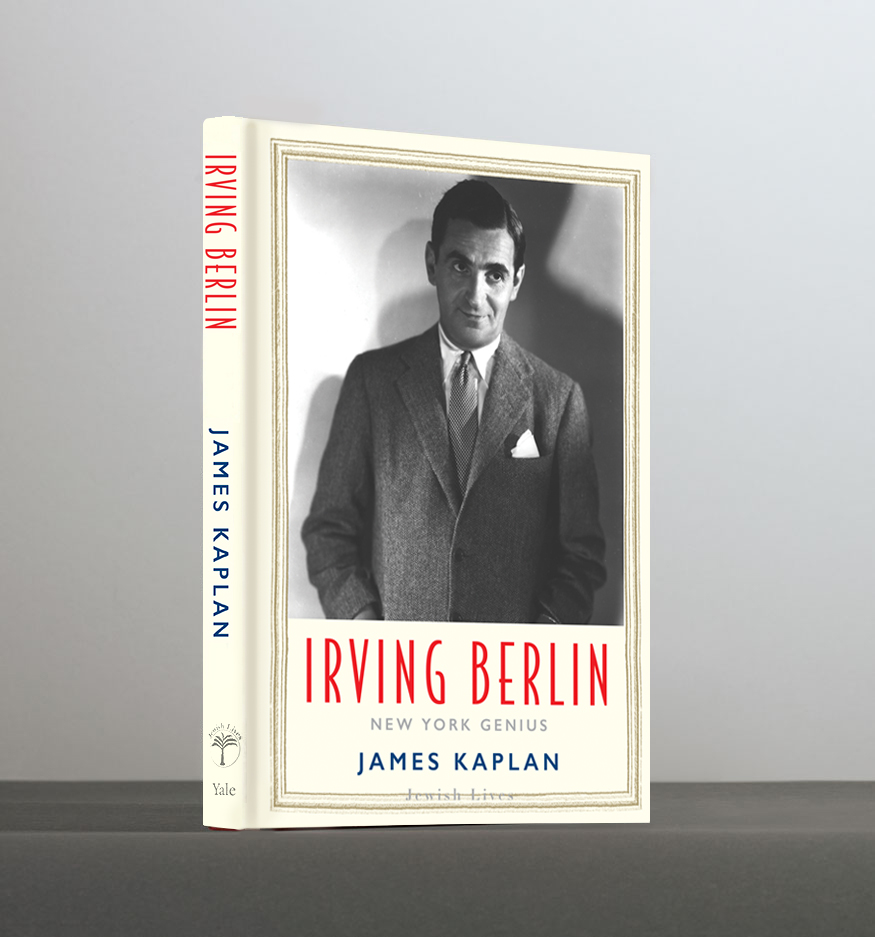
IRVING BERLIN: NEW YORK GEINUS (REMOTE)
Instructor: Professor Daniel Goldmark
Location: Online
Head of Popular Music, Director of the Center for Popular Music Studies, Case Western Reserve University
Date: Wednesdays, June 24 - July 8
Time: 10 - 11:30 a.m. EDT
Cost: $45 Lifelong Learning Member / $55 Nonmember

Irving Berlin has been called the greatest songwriter of the golden age of the American popular song. In a career that spanned nine decades, Berlin wrote some 1500 tunes, including “Alexander’s Ragtime Band,” “God Bless America,” and “White Christmas.” Join Daniel Goldmark to explore James Kaplan’s book, Irving Berlin: New York Genius, which offers a visceral narrative of Berlin as a self-made man who was a witty, wily, tough Jewish immigrant. Kaplan’s book underscores Berlin’s continued relevance in American popular culture today.

The respective book should be brought to class. Irving Berlin: New York Genius can be purchased below.

SPECIAL OFFER: Save 35% + free shipping on the books for this series. Use code CWBERLIN at checkout.

 
Irving Berlin: New York Genius
$26.00

By James Kaplan
Published November 5, 2019
424 pages

“Irresistible” —Todd S. Purdum

A fast-moving, musically astute portrait of arguably the greatest composer of American popular music

Irving Berlin (1888–1989) has been called—by George Gershwin, among others—the greatest songwriter of the golden age of the American popular song. “Berlin has no place in American music,” legendary composer Jerome Kern wrote; “he is American music.” In a career that spanned an astonishing nine decades, Berlin wrote some fifteen hundred tunes, including “Alexander’s Ragtime Band,” “God Bless America,” and “White Christmas.” From ragtime to the rock era, Berlin’s work has endured in the very fiber of American national identity.

Exploring the interplay of Berlin’s life with the life of New York City, noted biographer James Kaplan offers a visceral narrative of Berlin as self-made man and witty, wily, tough Jewish immigrant. This fast-paced, musically opinionated biography uncovers Berlin’s unique brilliance as a composer of music and lyrics. Masterfully written and insightful, Kaplan’s book underscores Berlin’s continued relevance in American popular culture.


SOLOMON: THE LURE OF WISDOM (REMOTE)
Instructor: Professor Ezra Blaustein, Kent State University
Location: Online
Date: Wednesdays, July 15 - 29
Time: 10 - 11:30 a.m. EDT
Cost: $45 Lifelong Learning Member / $55 Nonmember

Tradition has it that King Solomon knew everything there was to know—the mysteries of nature, of love, of God himself—but what do we know of him? Join Ezra Blaustein to explore Steven Weitzman’s book which reintroduces readers to Solomon’s story and its surprising influence in shaping Western culture, and he also examines what Solomon’s life, wisdom, and writings have come to mean for Jews, Christians, and Muslims over the past 2,000 years.

The respective book should be brought to class. Solomon: The Lure of Widsom can be purchased below.

SPECIAL OFFER: Save 35% + free shipping on the books for this series. Use code CWSOLOMON at checkout.

 
Solomon: The Lure of Wisdom
$26.00

By Steven Weitzman
Published March 29, 2011
240 pages

“Engrossing, elegant, and erudite”
—The Jewish Daily Forward

Tradition has it that King Solomon knew everything there was to know—the mysteries of nature, of love, of God himself—but what do we know of him? Esteemed biblical scholar Steven Weitzman reintroduces readers to Solomon's story and its surprising influence in shaping Western culture, and he also examines what Solomon's life, wisdom, and writings have come to mean for Jews, Christians, and Muslims over the past two thousand years.

Weitzman's Solomon is populated by a colorful cast of ambitious characters—Byzantine emperors, explorers, rabbis, saints, scientists, poets, archaeologists, trial judges, reggae singers, and moviemakers among them—whose common goal is to unearth the truth about Solomon's life and wisdom. Filled with the Solomonic texts of the Bible, along with lesser–known magical texts and other writings, this book challenges both religious and secular assumptions. Even as it seeks to tell the story of ancient Israel's greatest ruler, this insightful book is also a meditation on the Solomonic desire to know all of life's secrets, and on the role of this desire in world history.


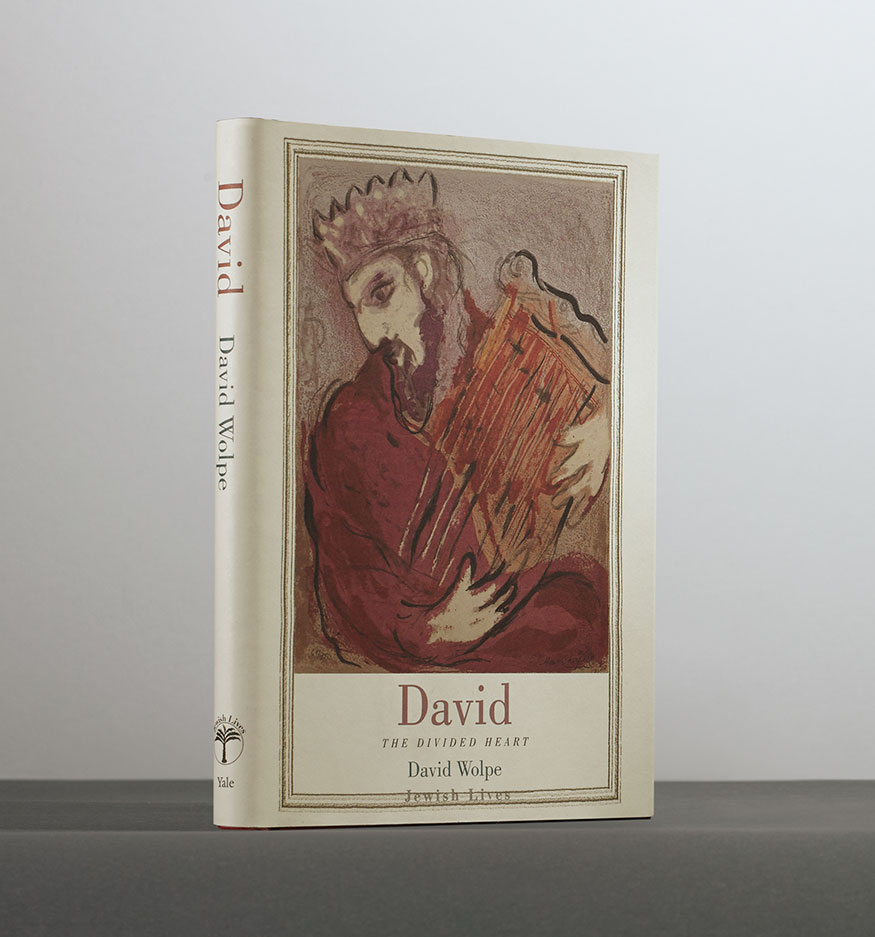
DAVID: THE DIVIDED HEART (REMOTE)
Instructor(s): Jo Bruce, Instructor of Lifelong Learning
Location: Online
Date: Wednesdays, August 5 - 19
Time: 10 - 11:30 a.m. EDT
Cost: $45 Lifelong Learning Member / $55 Nonmember

Of all the figures in the Bible, David arguably stands out as the most perplexing. He was a warrior who subdued Goliath and the Philistines; a king who united a nation; a poet who created beautiful verse; a loyal servant of God who proposed the great Temple and founded the Messianic line; a schemer, deceiver, and an adulterer. Join Jo Bruce to explore Wolpe’s book which reexamines David in an attempt to find coherence in his seemingly contradictory actions and impulses. The author unravels David’s complex character to question his exalted place in history.

The respective book should be brought to class. David: The Divided Heart can be purchased below.

SPECIAL OFFER: Save 35% + free shipping on the books for this series. Use code CWSDAVID at checkout.

 
David: The Divided Heart
$26.00

By David Wolpe
Published September 16, 2014
176 pages

“Vibrant and nuanced” —The Jewish Week

A reexamination of the biblical David, legendary warrior, poet, and king, by one of America’s most respected rabbis

Of all the figures in the Bible, David arguably stands out as the most perplexing and enigmatic. He was many things: a warrior who subdued Goliath and the Philistines; a king who united a nation; a poet who created beautiful, sensitive verse; a loyal servant of God who proposed the great Temple and founded the Messianic line; a schemer, deceiver, and adulterer who freely indulged his very human appetites.

David Wolpe, whom Newsweek called “the most influential rabbi in America,” takes a fresh look at biblical David in an attempt to find coherence in his seemingly contradictory actions and impulses. The author questions why David holds such an exalted place in history and legend, and then proceeds to unravel his complex character based on information found in the book of Samuel and later literature. What emerges is a fascinating portrait of an exceptional human being who, despite his many flaws, was truly beloved by God.


The Ultimate Jewish American Comfort Food

Rebecca Keys

Enjoy a delicious free recipe from The Jewish Cook Book by Leah Koenig courtesy of Phaidon.

BLACK AND WHITE COOKIES
Adapted from THE JEWISH COOKBOOK

Preparation time: 25 minutes, plus cooling
Cooking time: 15 minutes
Makes: about 2 dozen cookies

Black and white cookies—the cake-textured rounds frosted with white icing on one half and black on the other—were a staple in the New York City Jewish bakery case in the mid-twentieth century. They can still be found in bakeshops today, though many of the commercial options tend to be almost comically large. This version is petite and gently sweet—perfect for dipping into a cup of coffee or tea.

INGREDIENTS

For the cookies:

• 1½ cups (210 g) all-purpose (plain) flour, sifted
• ½ teaspoon baking powder
• ½ teaspoon kosher salt
• 6 tablespoons (85 g) unsalted butter, at room temperature
• ⅔ cup (130 g) sugar
• 1 egg plus 1 egg yolk
• ⅓ cup (75 ml/2 ½ fl oz) milk
• 1 teaspoon vanilla extract
• ¼ teaspoon lemon extract

For the icing:

• 2½ cups (270 g) powdered (icing) sugar, sifted
• 3 tablespoons milk, plus more as needed
• ½ teaspoon vanilla extract
• ¼ teaspoon lemon extract
• 2 tablespoons Dutch-process cocoa powder
• ½ teaspoon instant coffee granules

INSTRUCTIONS

Preheat the oven to 350°F (180°C/Gas Mark 4). Line 2 large baking sheets with parchment paper.

Make the cookies: In a medium bowl, whisk together the flour, baking powder, and salt.

In a stand mixer (or using a handheld electric mixer and a large bowl), beat together the butter and sugar at medium speed until light and fluffy. Add the whole egg, egg yolk, milk, vanilla, and lemon extract and beat until combined. Don’t worry if the batter appears lumpy or curdled at this stage—it will smooth out. Add the flour mixture to the butter mixture in stages, beating briefly on low after each addition and scraping down the sides of the bowl as necessary, to form a soft batter.

Place rounded tablespoons of dough, spaced 2 inches (5 cm) apart, on the prepared baking sheets. Bake, rotating the pans front to back halfway through, until lightly golden around the edges but still pale on top, 12– 15 minutes. Carefully transfer the cookies to a wire rack to cool completely.

Make the icing: In a medium bowl, stir together the powdered (icing) sugar, milk, vanilla, and lemon extract. Stir until a thick icing forms. The mixture should be easily spreadable, but not loose or liquid. If necessary, stir in additional milk, 1 teaspoon at a time, until the desired consistency is reached.

Transfer about half of the icing to a separate bowl. Add the cocoa powder and coffee granules and stir to combine. If necessary, add more milk, 1 teaspoon at a time, until the same thick, spreadable icing consistency is reached.

Once the cookies are fully cool, set the wire racks over a piece of parchment paper. Using a butter knife or small offset spatula, carefully glaze one half of the flat (bottom) side of each cookie with the white icing. Repeat on the other half with the black icing. Depending on how thickly the cookies are glazed, there may be some icing left. Set the glazed cookies back on the racks to set for a few minutes before serving.

The World’s Greatest Escape Artist

Rebecca Keys

 
Houdini: The Elusive American
$26.00

By Adam Begley
Published March 17, 2020
232 pages

“Vivid” —The New Yorker

An exuberant biography of the world’s greatest escape artist 

In 1916, the war in Europe having prevented a tour abroad, Harry Houdini wrote a film treatment for a rollicking motion picture. Though the movie was never made, its title, “The Marvelous Adventures of Houdini: The Justly Celebrated Elusive American,” provides a succinct summary of the Master Mystifier’s life.

Born Erik Weisz in Budapest in 1874, Houdini grew up an impoverished Jewish immigrant in the Midwest and became world-famous thanks to talent, industry, and ferocious determination. He concealed as a matter of temperament and professional ethics the secrets of his sensational success. Nobody knows how Houdini performed some of his dazzling, death-defying tricks, and nobody knows, finally, why he felt compelled to punish and imprison himself over and over again. Must a self-liberator also be a self-torturer? Tracking the restless Houdini’s wide-ranging exploits, acclaimed biographer Adam Begley asks the essential question: What kind of man was this?


An exuberant biography of the world’s greatest escape artist 

“Witty, intelligent, and sprightly” —Wendy Lesser, author of Jerome Robbins: A Life in Dance

In 1916, the war in Europe having prevented a tour abroad, Harry Houdini wrote a film treatment for a rollicking motion picture. Though the movie was never made, its title, “The Marvelous Adventures of Houdini: The Justly Celebrated Elusive American,” provides a succinct summary of the Master Mystifier’s life.

Born Erik Weisz in Budapest in 1874, Houdini grew up an impoverished Jewish immigrant in the Midwest and became world-famous thanks to talent, industry, and ferocious determination. He concealed as a matter of temperament and professional ethics the secrets of his sensational success. Nobody knows how Houdini performed some of his dazzling, death-defying tricks, and nobody knows, finally, why he felt compelled to punish and imprison himself over and over again. Must a self-liberator also be a self-torturer? Tracking the restless Houdini’s wide-ranging exploits, acclaimed biographer Adam Begley asks the essential question: What kind of man was this?

For orders outside the U.S. + Canada click here


About the Author

Adam Begley is the author of Updike and The Great Nadar. He was a Guggenheim Fellow, a Fellow at the Leon Levy Center for Biography, and for many years the books editor of The New York Observer. He lives in England. 

Author photograph © Zach Gross

Begley+photo+by+Zach+Gross.jpg

Reviews

“Witty, intelligent, and sprightly, Adam Begley’s Houdini tells a story that is not only central to the American experience, but strangely pertinent to the fakery, fraudulence, and self-promotion dominating our news waves at present.” —Wendy Lesser, author of Jerome Robbins: A Life in Dance

JL_Quotes_Houdini_10.jpg

Theodor Herzl Like You've Never Seen Him

Rebecca Keys

 
Theodor Herzl: The Charismatic Leader
$26.00

By Derek Penslar
Published February 18, 2020
256 pages

“Excellent” —Publishers Weekly (starred review)

A masterful new biography of Theodor Herzl by an eminent historian of Zionism 

The life of Theodor Herzl (1860–1904) was as puzzling as it was brief. How did this cosmopolitan and assimilated European Jew become the leader of the Zionist movement? How could he be both an artist and a statesman, a rationalist and an aesthete, a stern moralist yet possessed of deep, and at times dark, passions? And why did scores of thousands of Jews, many of them from traditional, observant backgrounds, embrace Herzl as their leader?

Drawing on a vast body of Herzl’s personal, literary, and political writings, historian Derek Penslar shows that Herzl’s path to Zionism had as much to do with personal crises as it did with antisemitism. Once Herzl devoted himself to Zionism, Penslar shows, he distinguished himself as a consummate leader—possessed of indefatigable energy, organizational ability, and electrifying charisma. Herzl became a screen onto which Jews of his era could project their deepest needs and longings.


A masterful new biography of Theodor Herzl by an eminent historian of Zionism 

“Excellent” —Publishers Weekly, Starred Review

The life of Theodor Herzl (1860–1904) was as puzzling as it was brief. How did this cosmopolitan and assimilated European Jew become the leader of the Zionist movement? How could he be both an artist and a statesman, a rationalist and an aesthete, a stern moralist yet possessed of deep, and at times dark, passions? And why did scores of thousands of Jews, many of them from traditional, observant backgrounds, embrace Herzl as their leader?

Drawing on a vast body of Herzl’s personal, literary, and political writings, historian Derek Penslar shows that Herzl’s path to Zionism had as much to do with personal crises as it did with antisemitism. Once Herzl devoted himself to Zionism, Penslar shows, he distinguished himself as a consummate leader—possessed of indefatigable energy, organizational ability, and electrifying charisma. Herzl became a screen onto which Jews of his era could project their deepest needs and longings.


About the Author

Derek Penslar is the William Lee Frost Professor of Jewish History at Harvard University. His previous books include Jews and the Military: A History and Shylock’s Children: Economics and Jewish Identity in Modern Europe.

Author photograph © University of Toronto, Faculty of Arts and Sciences

Derek+Penslar.jpg

Reviews

"An excellent, concise biography of Theodor Herzl, architect of modern Zionism. . . . This is an exceptionally good, highly readable volume that will appeal to general readers and specialists alike." —Publishers Weekly, Starred Review

"Derek Penslar, the most original scholar on the history of Zionism today, has written a masterful book, which may indeed become the definitive Herzl biography of our age." —Michael Brenner, author of A Short History of the Jews

“Theodor Herzl was the indispensable catalyst of the Zionist movement that began before him, developed independently of him, and prevailed on its own decades after his death. Penslar's book unlocks this paradox, and in richly providing the historical context of his leadership, magnifies its achievement.” —Ruth R. Wisse, author of Jews and Power

 “Derek Penslar has found in Theodor Herzl an amazingly complex character and tells his story with deep insight and great fairness. This biography is innovative, carefully balanced, and engrossing.” —Tom Segev, author of A State at Any Cost: The Life of David Ben-Gurion

“In his pitch-perfect biography for a new century, accomplished historian Derek Penslar portrays the psychic traits that allowed Theodor Herzl to be elevated by the longings of a fledgling Zionist movement, which he in turn elevated into a political cause that has redefined Jewish and world history down to our present. An elegant masterpiece.” —Samuel Moyn, Yale University

"There is a lot of new information here and it is eloquently stated and wonderfully readable—so much so, that I read it in one sitting and then went back and read it again. This will become an indispensable text to today’s Zionist movement and its thinkers." —Reviews by Amos Lassen

JL_Quotes_Herzl_1.jpg

Jewish Life of the Month: Moshe Dayan

Rebecca Keys

Image courtesy of Wikimedia Commons. Moshe Dayan and Abdullah el Tell reach cease fire agreement, Jerusalem. 30 November 1948.

Image courtesy of Wikimedia Commons. Moshe Dayan and Abdullah el Tell reach cease fire agreement, Jerusalem. 30 November 1948.

Moshe Dayan

Dates
1915-1981

Background
One of Israel's most charismatic—and controversial—personalities, Dayan led the Israel Defense Forces to stunning military victories. However, in the aftermath of the bungled 1973 Yom Kippur War, he shared the blame for operational mistakes and retired from the government. He later proved himself a talented diplomat, playing an integral role in peace negotiations with Egypt.

Famous Quote
"If you want to make peace, you don't talk to your friends. You talk to your enemies."

 
Moshe Dayan: Israel’s Controversial Hero
$29.00

By Mordechai Bar-On
Published July 17, 2012
264 pages

“Refreshing. Highly thoughtful.” —Jerusalem Report

Instantly recognizable with his iconic eye patch, Moshe Dayan (1915–1981) was one of Israel's most charismatic—and controversial—personalities. As a youth he earned the reputation of a fearless warrior, and in later years as a leading military tactician, admired by peers and enemies alike. As chief of staff during the 1956 Sinai Campaign and as minister of defense during the 1967 Six Day War, Dayan led the Israel Defense Forces to stunning military victories. But in the aftermath of the bungled 1973 Yom Kippur War, he shared the blame for operational mistakes and retired from the government. He later proved himself a principled and talented diplomat, playing an integral role in peace negotiations with Egypt.

In this memorable biography, Mordechai Bar-On, Dayan's IDF bureau chief, offers an intimate view of Dayan's private life, public career, and political controversies, set against an original analysis of Israel's political environment from pre-Mandate Palestine through the early 1980s. Drawing on a wealth of Israeli archives, accounts by Dayan and members of his circle, and firsthand experiences, Bar-On reveals Dayan as a man unwavering in his devotion to Zionism and the Land of Israel. Moshe Dayan makes a unique contribution to the history of Israel and the complexities of the Arab-Israeli conflict.


Jewish Life of the Month: Bernard Berenson

Rebecca Keys

Image courtesy of Wikmedia Commons

Image courtesy of Wikmedia Commons

Bernard Berenson

Dates
1865-1959

Background
When Gilded Age millionaires wanted to buy Italian Renaissance paintings, the expert whose opinion they sought was Bernard Berenson. He was a connoisseur who changed the art world and the way we see art to this day.

Famous Quote
"Taste begins when appetite is satisfied."

 
Bernard Berenson: A Life in the Picture Trade
$26.00

By Rachel Cohen
Published October 22, 2013
344 pages

“Irresistibly readable” —ARTnews

An illuminating new biography of the connoisseur who changed the art world and the way we see art

When Gilded Age millionaires wanted to buy Italian Renaissance paintings, the expert whose opinion they sought was Bernard Berenson, with his vast erudition, incredible eye, and uncanny skill at attributing paintings. They visited Berenson at his beautiful Villa I Tatti, in the hills outside Florence, and walked with him through the immense private library—which he would eventually bequeath to Harvard—without ever suspecting that he had grown up in a poor Lithuanian Jewish immigrant family that had struggled to survive in Boston on the wages of the father’s work as a tin peddler. Berenson’s extraordinary self-transformation, financed by the explosion of the Gilded Age art market and his secret partnership with the great art dealer Joseph Duveen, came with painful costs: he hid his origins and felt that he had betrayed his gifts as an interpreter of paintings. Nevertheless his way of seeing, presented in his books, codified in his attributions, and institutionalized in the many important American collections he helped to build, goes on shaping the American understanding of art today.

This finely drawn portrait of Berenson, the first biography devoted to him in a quarter century, draws on new archival materials that bring out the significance of his secret business dealings and the way his family and companions—including his patron Isabella Stewart Gardner, his lover Belle da Costa Greene, and his dear friend Edith Wharton—helped to form his ideas and his legacy. Rachel Cohen explores Berenson’s inner world and exceptional visual capacity while also illuminating the historical forces—new capital, the developing art market, persistent anti-Semitism, and the two world wars—that profoundly affected his life.


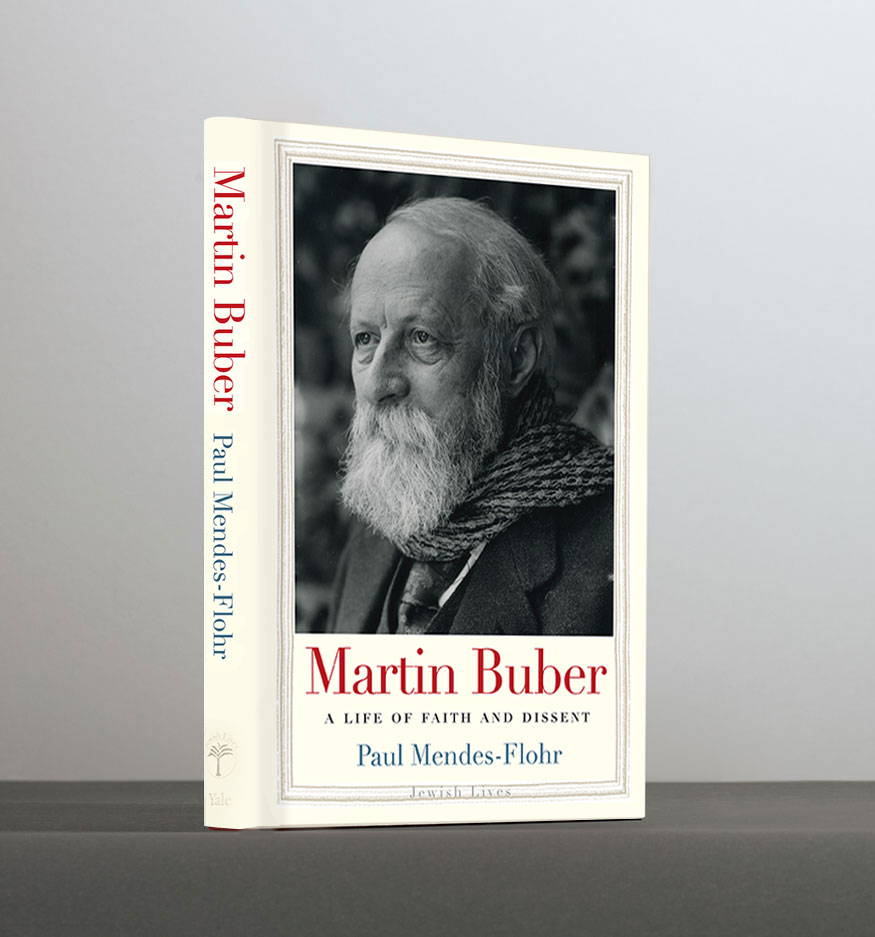
Martin Buber, Faith, and Jewish Identity

Rebecca Keys

Watch a 1-hour program featuring Professor Paul Mendes-Flohr, author of Martin Buber: A Life of Faith and Dissent, and Rabbi Elliot Cosgrove of Park Avenue Synagogue as they explore the life and legacy of Jewish philosopher Martin Buber.

This program is part of the Jewish Lives Book Club and aired on the Jewish Broadcasting Service.

 
Martin Buber: A Life of Faith and Dissent
$26.00

By Paul Mendes-Flohr
Published March 26, 2019
440 pages

“Exquisite” —Amir Eshel

The first major biography in English in over thirty years of the seminal modern Jewish thinker Martin Buber

An authority on the twentieth-century philosopher Martin Buber (1878–1965), Paul Mendes-Flohr offers the first major biography in English in thirty years of this seminal modern Jewish thinker. Organized around several key moments—such as his sudden abandonment by his mother when he was a child of three—Mendes-Flohr shows how this foundational trauma left an enduring mark on Buber’s inner life, attuning him to the fragility of human relations and the need to nurture them with what he would call a “dialogical attentiveness.”

Buber’s philosophical and theological writings, most famously I and Thou, made significant contributions to religious and Jewish thought, philosophical anthropology, biblical studies, political theory, and Zionism. In this accessible new biography, Mendes-Flohr situates Buber’s life and legacy in the intellectual and cultural life of German Jewry as well as in the broader European intellectual life of the first half of the twentieth century.


From Ragtime to Rock, Irving Berlin Shaped American Music

Rebecca Keys

 
Irving Berlin: New York Genius
$26.00

By James Kaplan
Published November 5, 2019
424 pages

“Irresistible” —Todd S. Purdum

A fast-moving, musically astute portrait of arguably the greatest composer of American popular music

Irving Berlin (1888–1989) has been called—by George Gershwin, among others—the greatest songwriter of the golden age of the American popular song. “Berlin has no place in American music,” legendary composer Jerome Kern wrote; “he is American music.” In a career that spanned an astonishing nine decades, Berlin wrote some fifteen hundred tunes, including “Alexander’s Ragtime Band,” “God Bless America,” and “White Christmas.” From ragtime to the rock era, Berlin’s work has endured in the very fiber of American national identity.

Exploring the interplay of Berlin’s life with the life of New York City, noted biographer James Kaplan offers a visceral narrative of Berlin as self-made man and witty, wily, tough Jewish immigrant. This fast-paced, musically opinionated biography uncovers Berlin’s unique brilliance as a composer of music and lyrics. Masterfully written and insightful, Kaplan’s book underscores Berlin’s continued relevance in American popular culture.


A fast-moving, musically astute portrait of arguably the greatest composer of American popular music

Irving Berlin (1888–1989) has been called—by George Gershwin, among others—the greatest songwriter of the golden age of the American popular song. “Berlin has no place in American music,” legendary composer Jerome Kern wrote; “he is American music.” In a career that spanned an astonishing nine decades, Berlin wrote some fifteen hundred tunes, including “Alexander’s Ragtime Band,” “God Bless America,” and “White Christmas.” From ragtime to the rock era, Berlin’s work has endured in the very fiber of American national identity.

Exploring the interplay of Berlin’s life with the life of New York City, noted biographer James Kaplan offers a visceral narrative of Berlin as self-made man and witty, wily, tough Jewish immigrant. This fast-paced, musically opinionated biography uncovers Berlin’s unique brilliance as a composer of music and lyrics. Masterfully written and insightful, Kaplan’s book underscores Berlin’s continued relevance in American popular culture.


Reviews

"Kaplan tells the story briskly and with aplomb, adding plenty of showbiz antics, atmospheric evocations of Berlin’s New York, and shrewd critical passages that separate the musical schmaltz from the art (and find the art in the schmaltz). The result is a smart, entertaining biography of a great songwriter that will have readers humming along." —Publishers Weekly

“James Kaplan’s Irving Berlin is just like its subject: taut, vibrant, and thrumming with the irresistible words and music of America’s songwriter laureate. It’s by turns a buoyant and poignant trip across the tumultuous 20th century, through the eyes of an artist who helped define its popular taste. Kaplan reclaims the proud Jewish identity of the patriotic immigrant who knew that his country was blessed, because he had been.” —Todd S. Purdum, author of Something Wonderful: Rodgers and Hammerstein’s Broadway Revolution


James+Kaplan.jpg

About the Author

James Kaplan has been writing noted biography, journalism, and fiction for more than four decades. The author of Frank: The Voice and Sinatra: The Chairman, the definitive two-volume biography of Frank Sinatra, he has written more than one hundred major profiles of figures ranging from Miles Davis to Meryl Streep, from Arthur Miller to Larry David.

Author photograph © Erinn Hartmann


Irving-Berlin-4.jpg

Ileene Smith Wins Editorial Excellence Award

Rebecca Keys

Ileene Smith.jpeg

Jewish Lives editorial director Ileene Smith is the winner of the 2019 Editorial Excellence Award, given each year by Biographers International Organization (BIO) to an outstanding editor, from nominations submitted by BIO members.

Smith has been vice president and executive editor at Farrar, Straus and Giroux since 2012. She is also editorial director of the Jewish Lives series published by Yale University Press and the Leon D. Black Foundation. Smith has previously been the recipient of the PEN/Roger Klein Award, the Tony Godwin Memorial Award, and a Jerusalem Fellowship.

The event honoring Smith will be held on Wednesday, November 13, starting at 6:30 p.m., in the Skylight Room at the CUNY Graduate Center, 365 Fifth Avenue, New York City. The evening will include remarks from some of Smith’s authors, along with a reception. The event is free but registration is required and is limited to 70 people. You can register here.

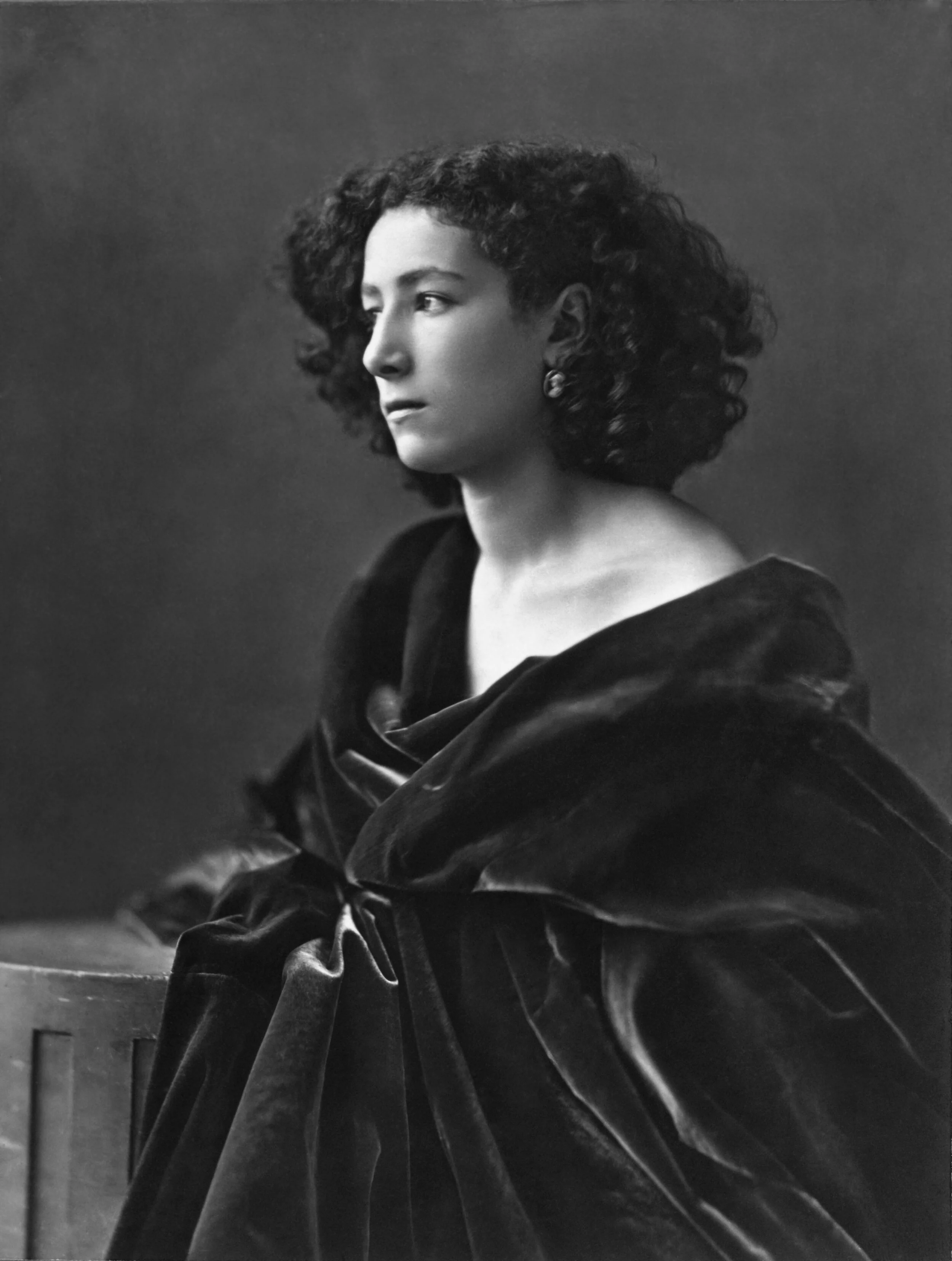
Jewish Life of the Month: Sarah Bernhardt

Rebecca Keys

Image courtesy of Wikimedia Commons

Image courtesy of Wikimedia Commons

Sarah Bernhardt

Dates
1844-1923

Background
The illegitimate—and scandalous—daughter of a courtesan who transformed herself into the most famous actress who ever lived, and into a national icon, a symbol of France.

Famous Quote
"The theatre is the involuntary reflex of the ideas of the crowd."

 
Sarah: The Life of Sarah Bernhardt
$26.00

By Robert Gottlieb
Published September 21, 2010
256 pages

“A terrific book" —NPR

Everything about Sarah Bernhardt is fascinating, from her obscure birth to her glorious career—redefining the very nature of her art—to her amazing (and highly public) romantic life to her indomitable spirit. Well into her seventies, after the amputation of her leg, she was performing under bombardment for soldiers during World War I, as well as crisscrossing America on her ninth American tour.

Her family was also a source of curiosity: the mother she adored and who scorned her; her two half-sisters, who died young after lives of dissipation; and most of all, her son, Maurice, whom she worshiped and raised as an aristocrat, in the style appropriate to his presumed father, the Belgian Prince de Ligne. Only once did they quarrel—over the Dreyfus Affair. Maurice was a right-wing snob; Sarah, always proud of her Jewish heritage, was a passionate Dreyfusard and Zolaist.

Though the Bernhardt literature is vast, Gottlieb’s Sarah is the first English-language biography to appear in decades. Brilliantly, it tracks the trajectory through which an illegitimate—and scandalous—daughter of a courtesan transformed herself into the most famous actress who ever lived, and into a national icon, a symbol of France.


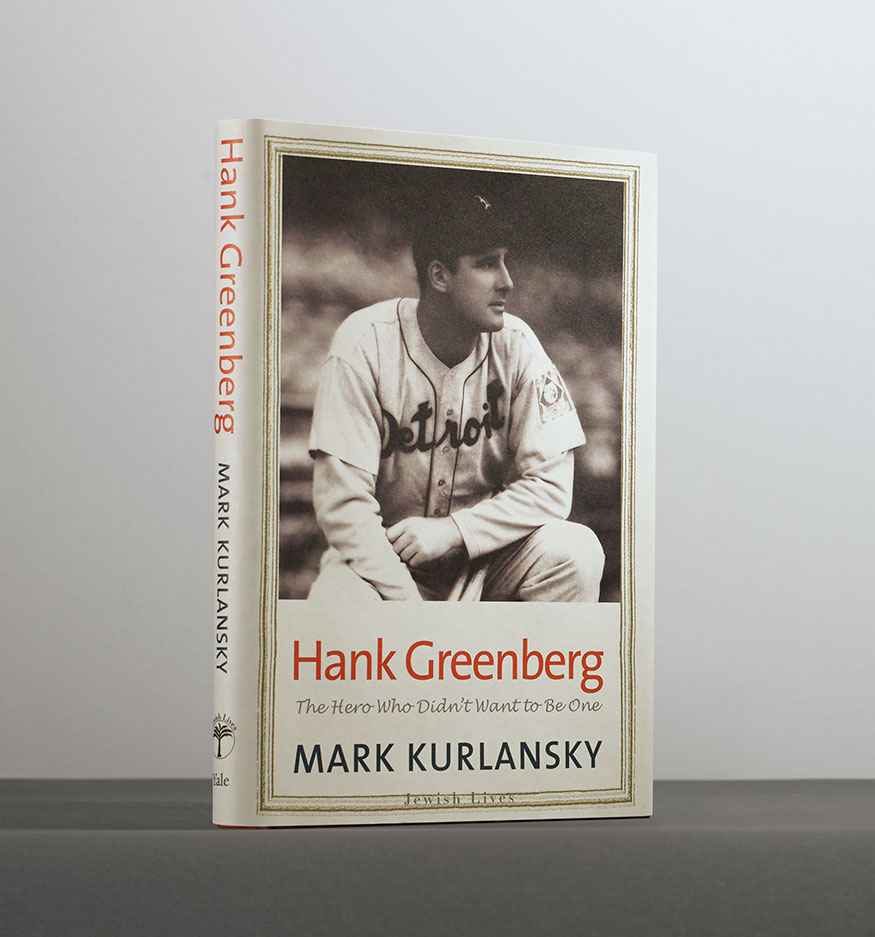
Jewish Life of the Month: Hank Greenberg

Rebecca Keys

Courtesy of Wikimedia Commons

Courtesy of Wikimedia Commons

Hank Greenberg

Dates
1911-1986

Background
With his decision to sit out a 1934 game between his Tigers and the New York Yankees because it fell on Yom Kippur, Hank Greenberg became a hero to Jews throughout America.

Famous Quote
"...I came to feel that if I, as a Jew, hit a home run, I was hitting one against Hitler."

 
Hank Greenberg: The Hero Who Didn’t Want to Be One
$26.00

By Mark Kurlansky
Published March 29, 2011
192 pages

“A graceful appreciation” —USA Today

One of the reasons baseball fans so love the sport is that it involves certain physical acts of beauty. And one of the most beautiful sights in the history of baseball was Hank Greenberg's swing. His calmly poised body seemed to have some special set of springs with a trigger release that snapped his arms and swept the bat through the air with the clean speed and strength of a propeller. But what is even more extraordinary than his grace and his power is that in Detroit of 1934, his swing—or its absence—became entwined with American Jewish history. Though Hank Greenberg was one of the first players to challenge Babe Ruth's single-season record of sixty home runs, it was the game Greenberg did not play for which he is best remembered. With his decision to sit out a 1934 game between his Tigers and the New York Yankees because it fell on Yom Kippur, Hank Greenberg became a hero to Jews throughout America. Yet, as Kurlansky writes, he was the quintessential secular Jew, and to celebrate him for his loyalty to religious observance is to ignore who this man was.

In Hank Greenberg Mark Kurlansky explores the truth behind the slugger's legend: his Bronx boyhood, his spectacular discipline as an aspiring ballplayer, the complexity of his decision not to play on Yom Kippur, and the cultural context of virulent anti-Semitism in which his career played out.

What Kurlansky discovers is a man of immense dignity and restraint with a passion for sport who became a great reader—a man, too, who was an inspiration to the young Jackie Robinson, who said, “Class tells. It sticks out all over Mr. Greenberg.”