Get to Know Julius Rosenwald
Rebecca Keys

Image courtesy of Wikimedia Commons
Did you know that Julius Rosenwald funded the construction of over 5,000 schools for African American children in the rural south in the early 20th century?
Learn more about the businessman-turned-philanthropist with Jewish Lives and check out the new discussion guide featuring Rosenwald produced by the Jewish Book Council (see page 26).
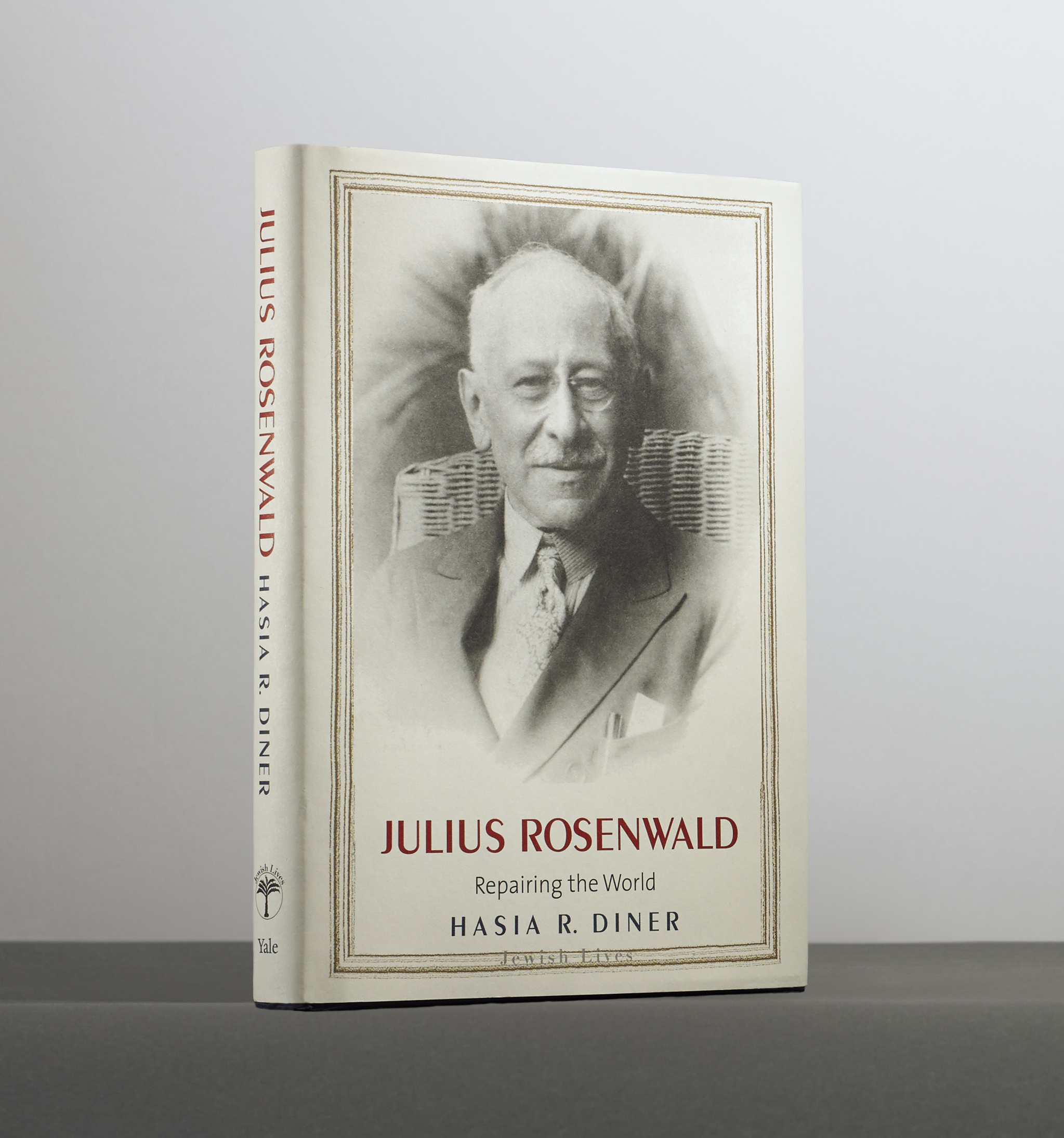
By Hasia R. Diner
Published October 24, 2017
256 pages
“A masterpiece” —David Levering Lewis
The portrait of a humble retail magnate whose visionary ideas about charitable giving transformed the practice of philanthropy in America and beyond
Julius Rosenwald (1862–1932) rose from modest means as the son of a peddler to meteoric wealth at the helm of Sears, Roebuck. Yet his most important legacy stands not upon his business acumen but on the pioneering changes he introduced to the practice of philanthropy. While few now recall Rosenwald’s name—he refused to have it attached to the buildings, projects, or endowments he supported—his passionate support of Jewish and African American causes continues to influence lives to this day.
This biography of Julius Rosenwald explores his attitudes toward his own wealth and his distinct ideas about philanthropy, positing an intimate connection between his Jewish consciousness and his involvement with African Americans. The book shines light on his belief in the importance of giving in the present to make an impact on the future, and on his encouragement of beneficiaries to become partners in community institutions and projects. Rosenwald emerges from the pages as a compassionate man whose generosity and wisdom transformed the practice of philanthropy itself.